Portraiture
Arjan Spannenburg’s Fine Art Portraiture category represents a sophisticated exploration of identity and vulnerability through high-contrast, monochromatic palettes. Influenced by classical masters such as Richard Avedon and Irving Penn, his style reinterprets the human form with surreal elements and geometric balance, prioritizing "structural truth" over literal representation. By utilizing soft, diffused light and medium-format precision, these works isolate subjects to reveal an intimate, silent narrative. This collection is defined by its focus on the "threshold of adulthood" and the removal of digital noise, offering collectors archival-grade prints that serve as timeless emotional landscapes
27 Artworks
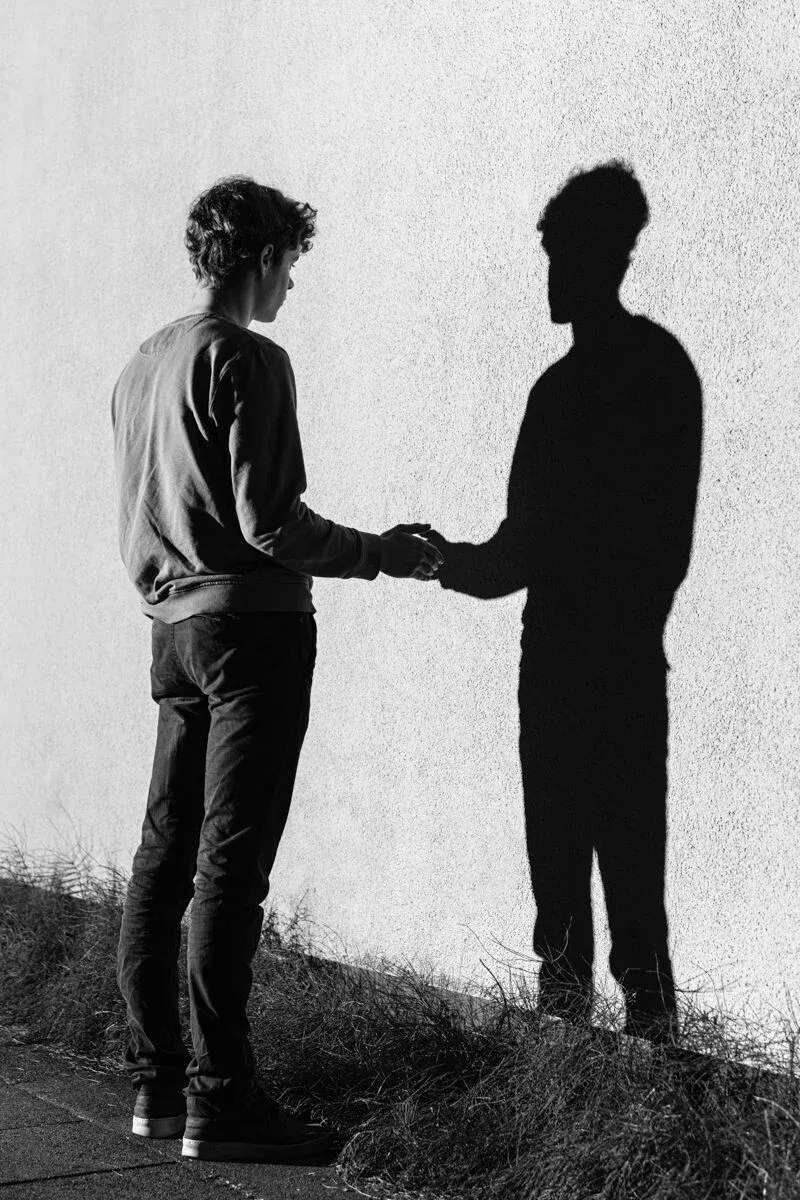
Arjan Spannenburg
RECONNECTION
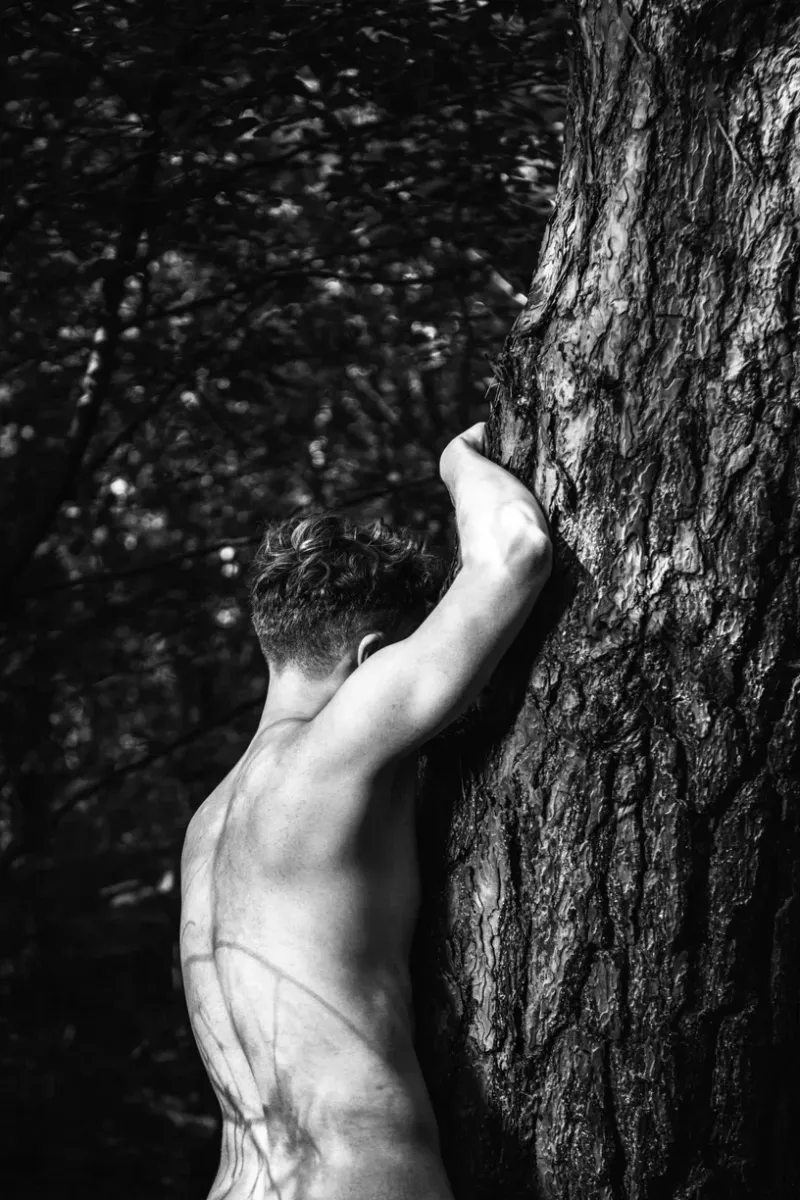
Arjan Spannenburg
REVIVAL
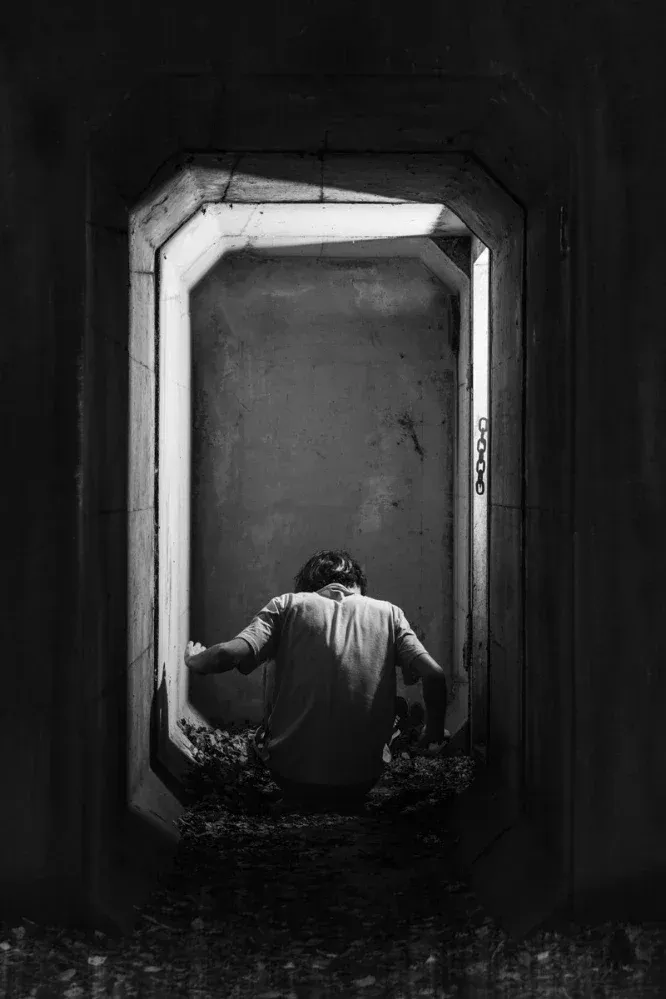
Arjan Spannenburg
SENTIENT
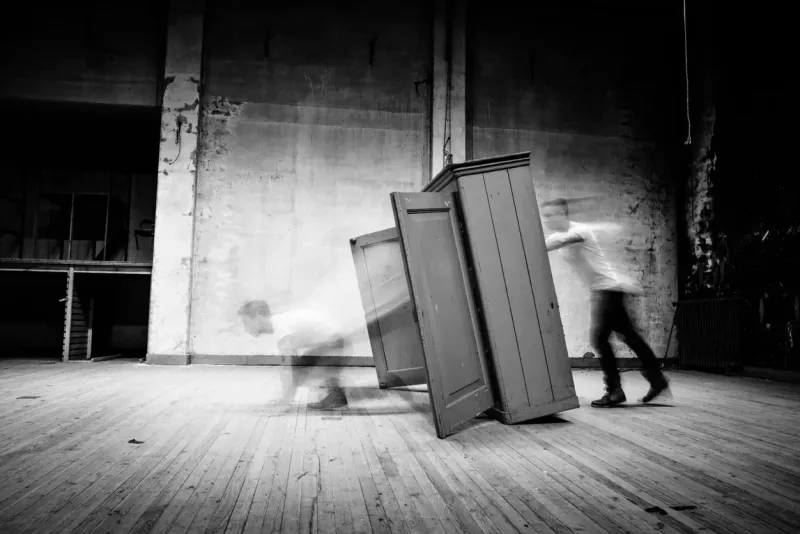
Arjan Spannenburg
COMING OUT
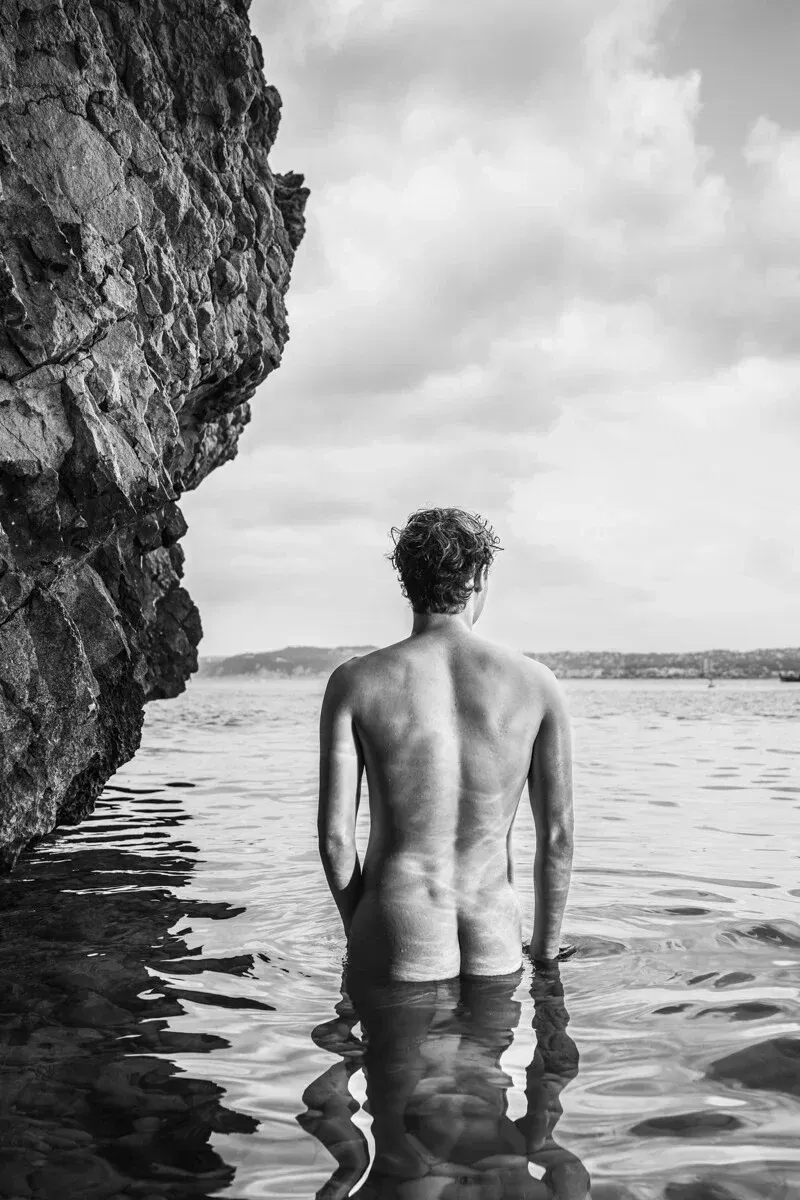
Arjan Spannenburg
CAPTIVATION

Arjan Spannenburg
ESCAPADE
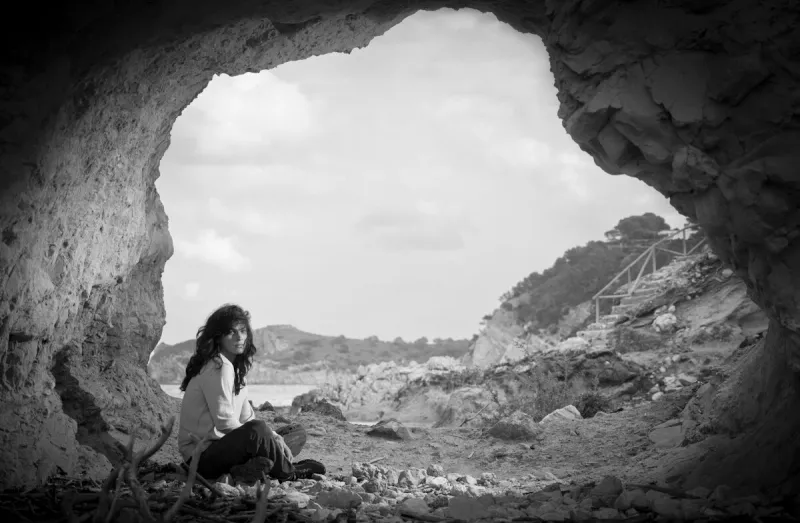
Arjan Spannenburg
SANCTUARY
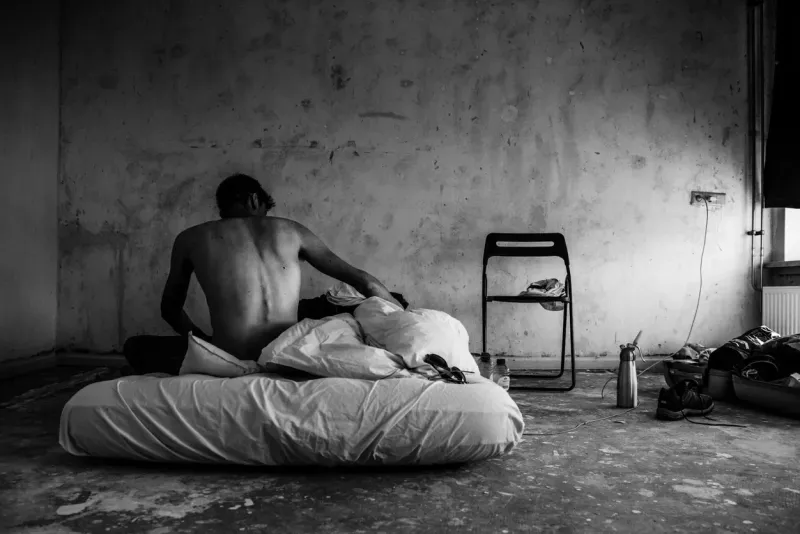
Arjan Spannenburg
OUTCAST
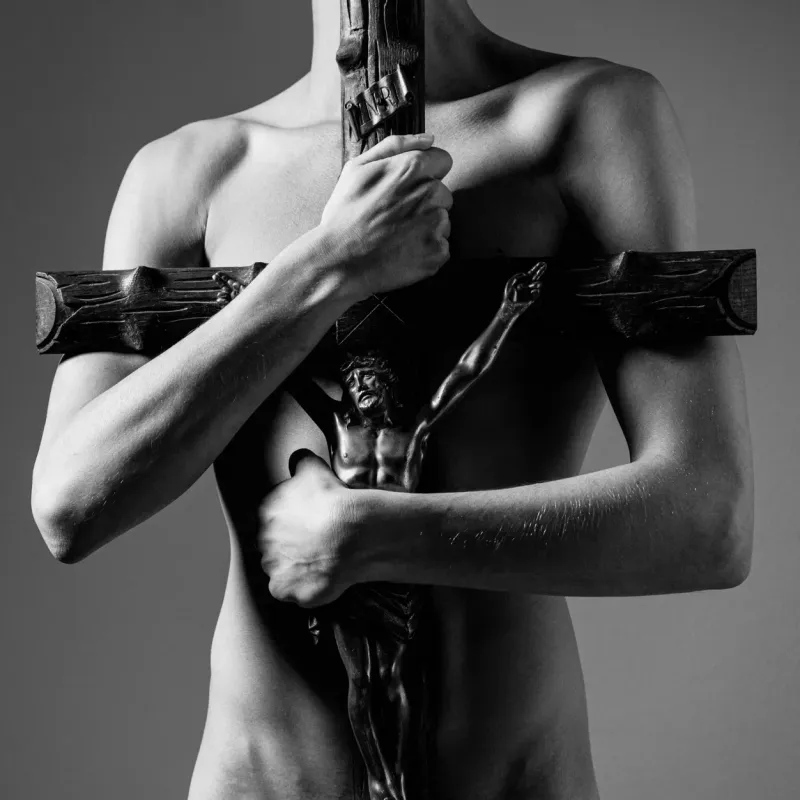
Arjan Spannenburg
SEGREGATION
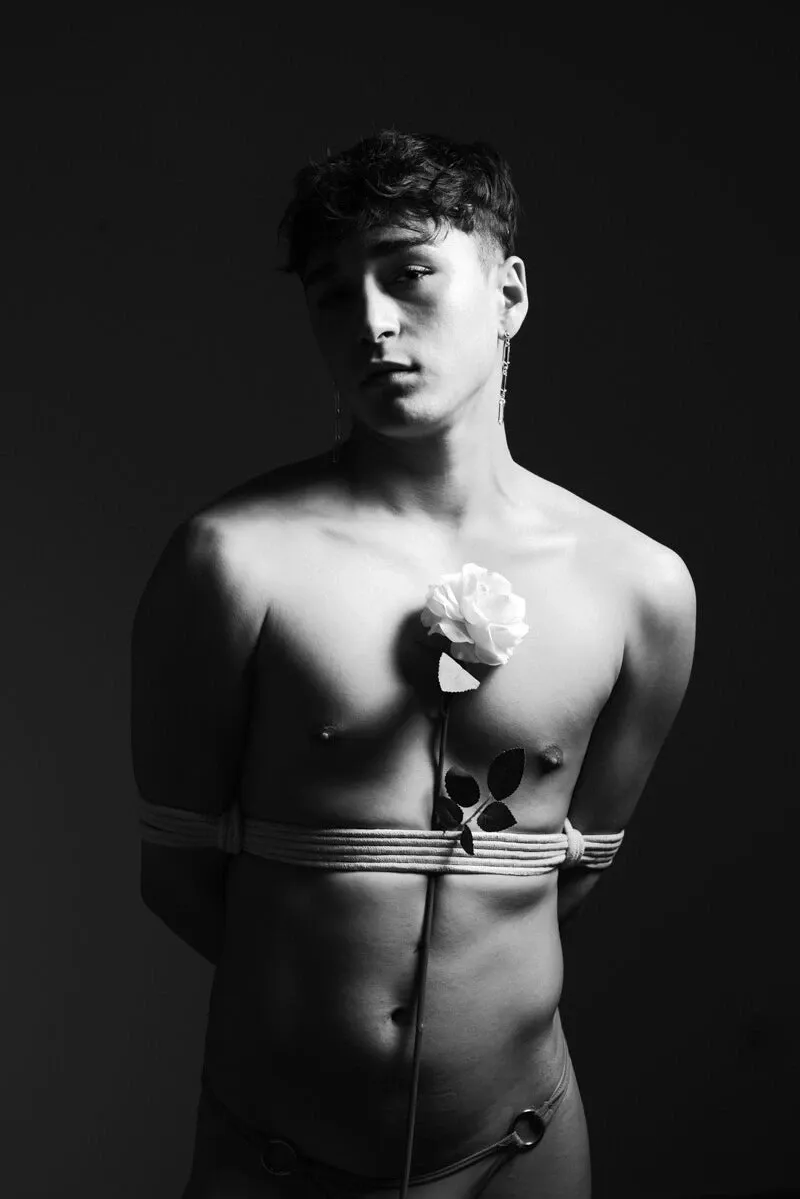
Arjan Spannenburg
SUB ROSA

Arjan Spannenburg
EROSION

Arjan Spannenburg
POSSESSION
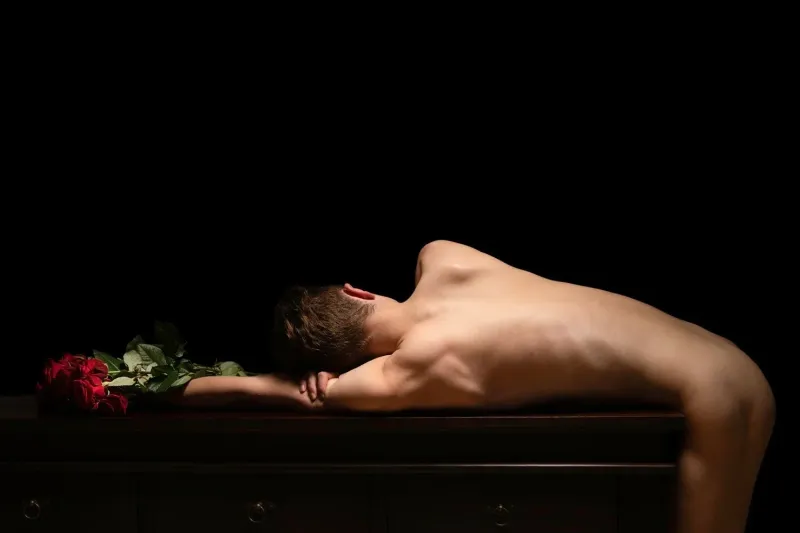
Arjan Spannenburg
KISS GOODBYE
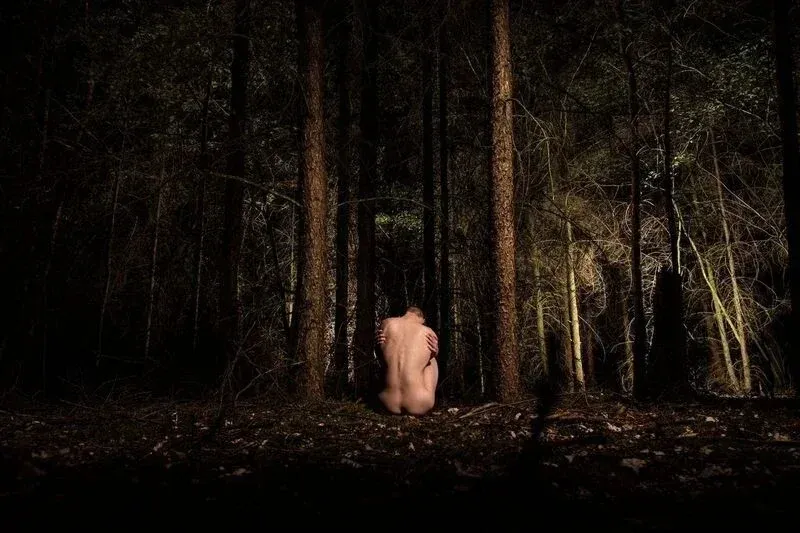
Arjan Spannenburg
INUNDATE
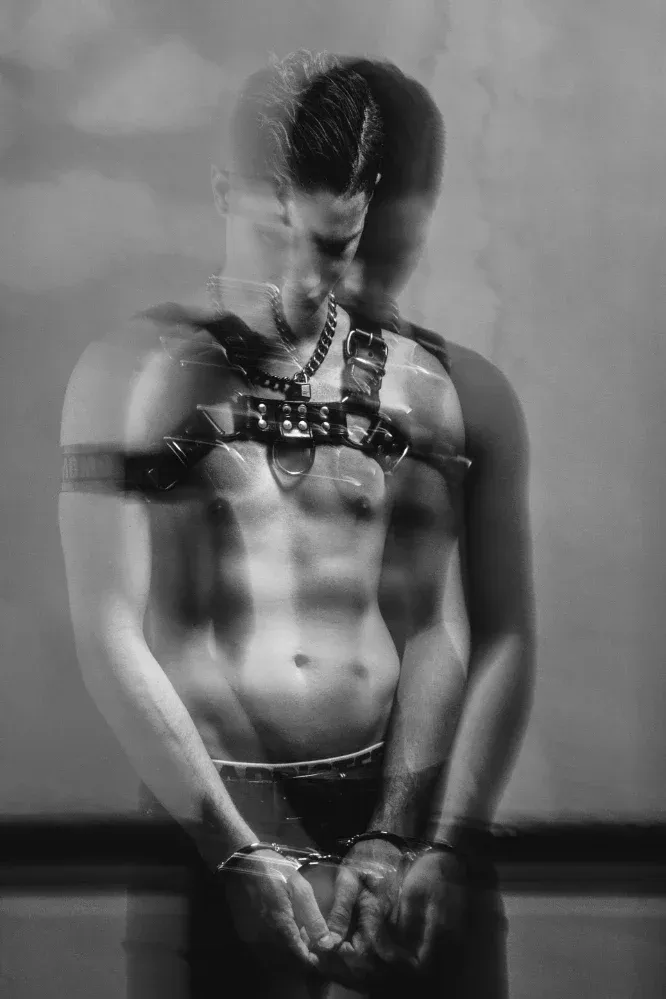
Arjan Spannenburg
DESIRE
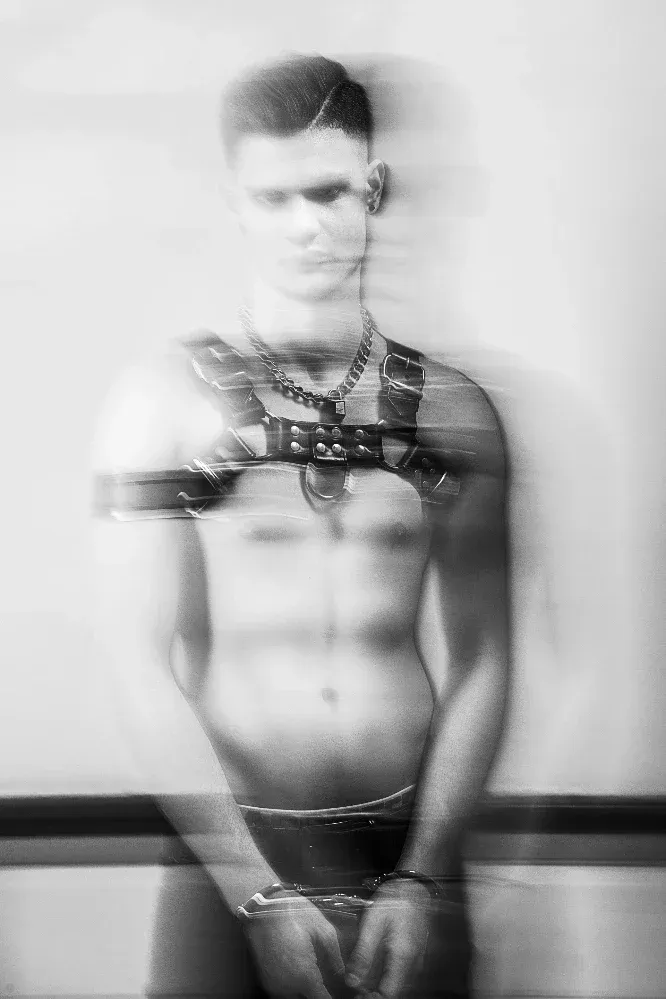
Arjan Spannenburg
CONFUSED
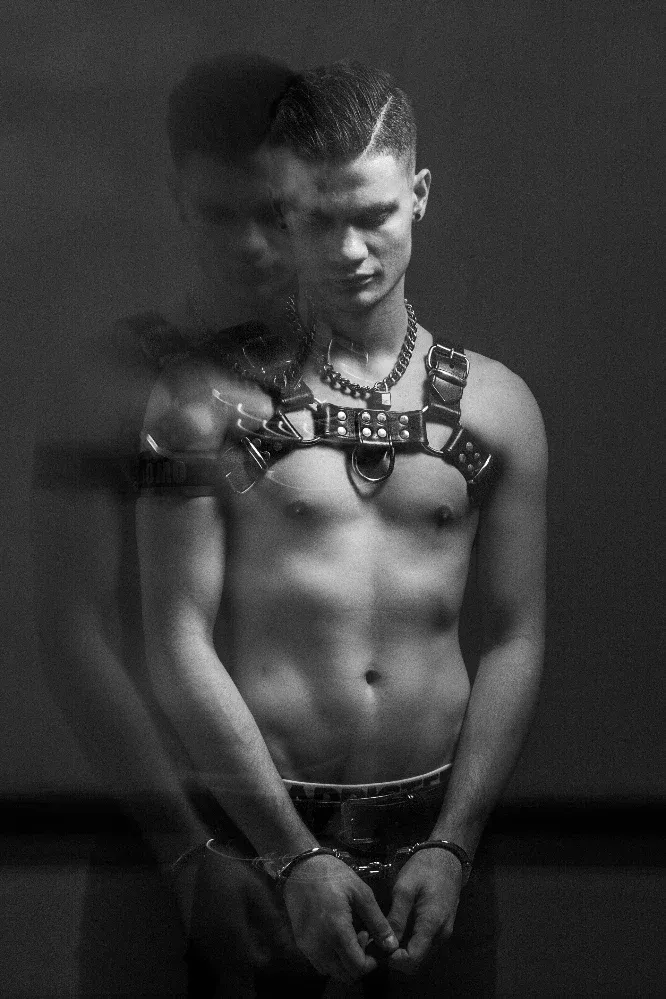
Arjan Spannenburg
WORRIED
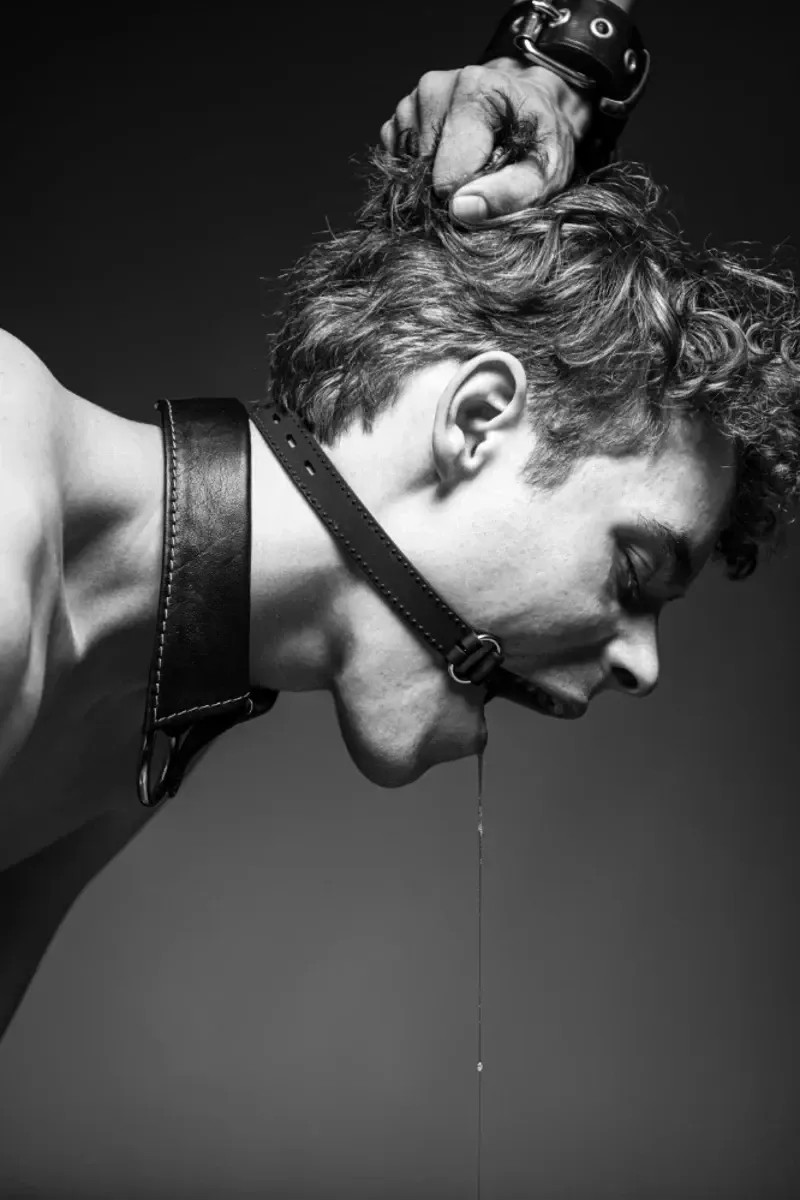
Arjan Spannenburg
DOMINION
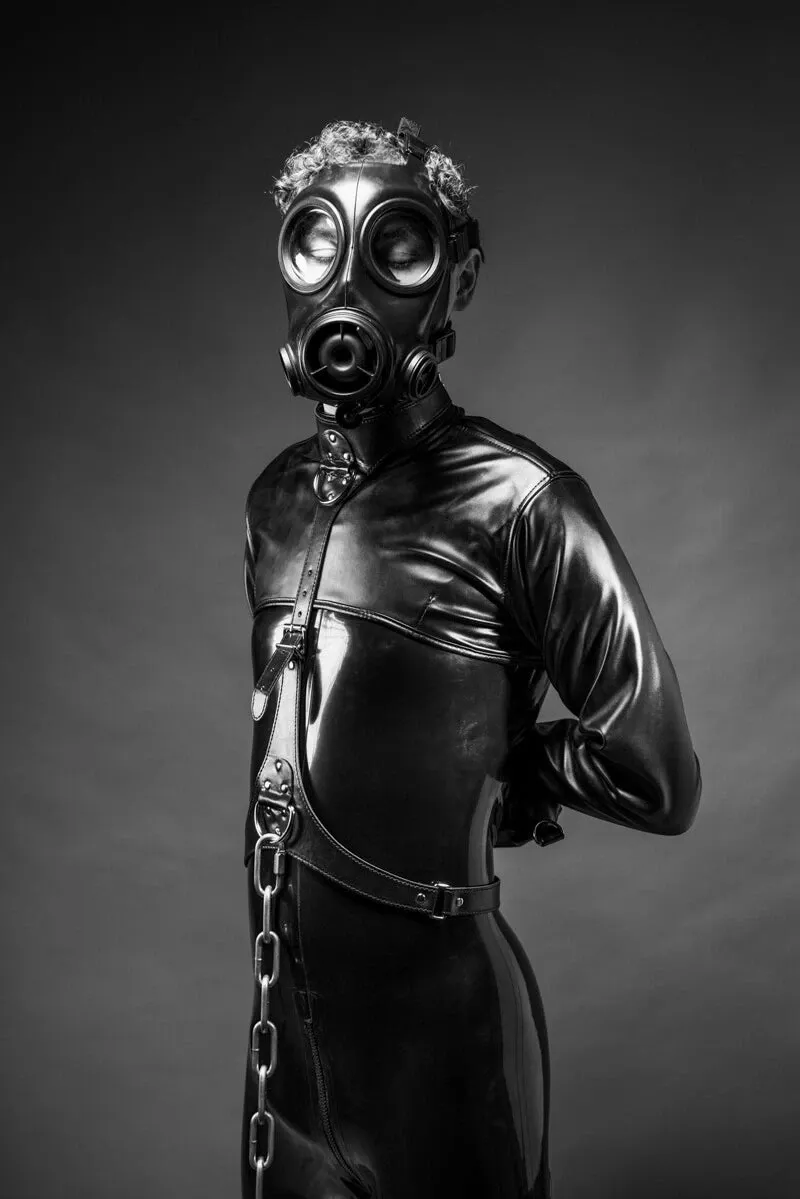
Arjan Spannenburg
WHERE IT CALMS
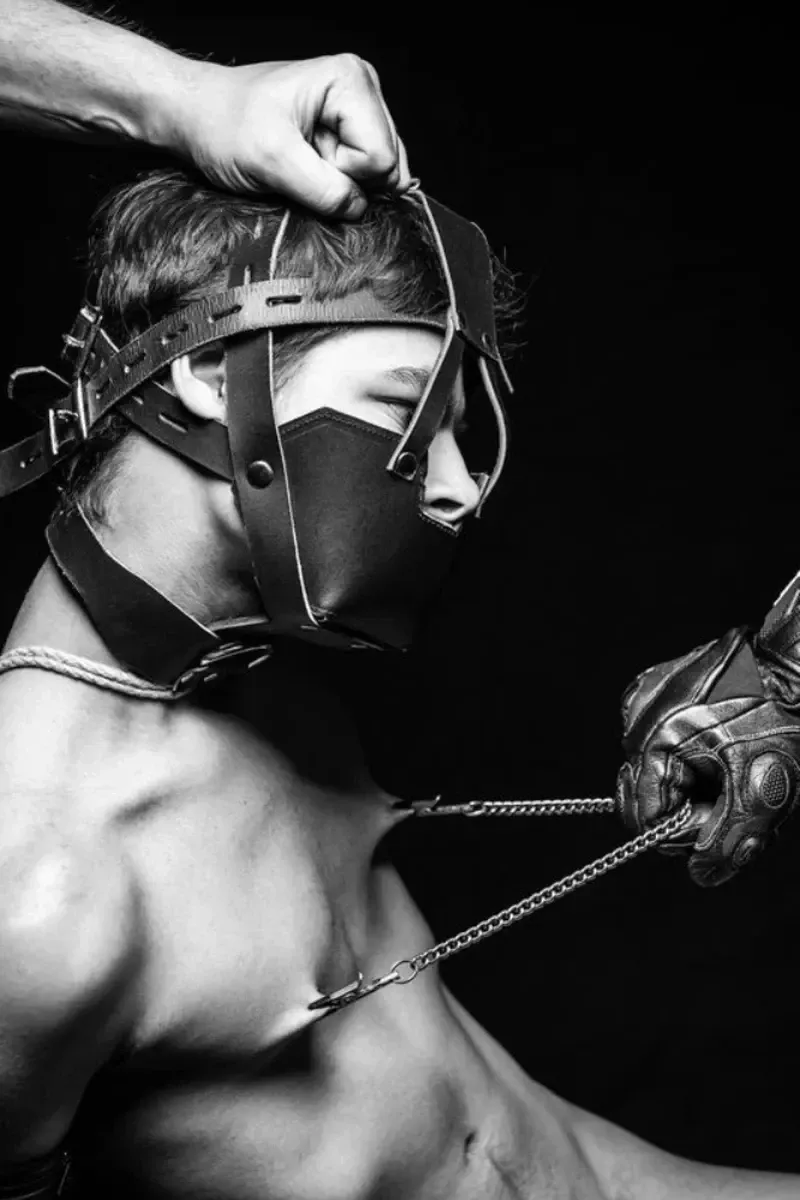
Arjan Spannenburg
PERSISTANCE
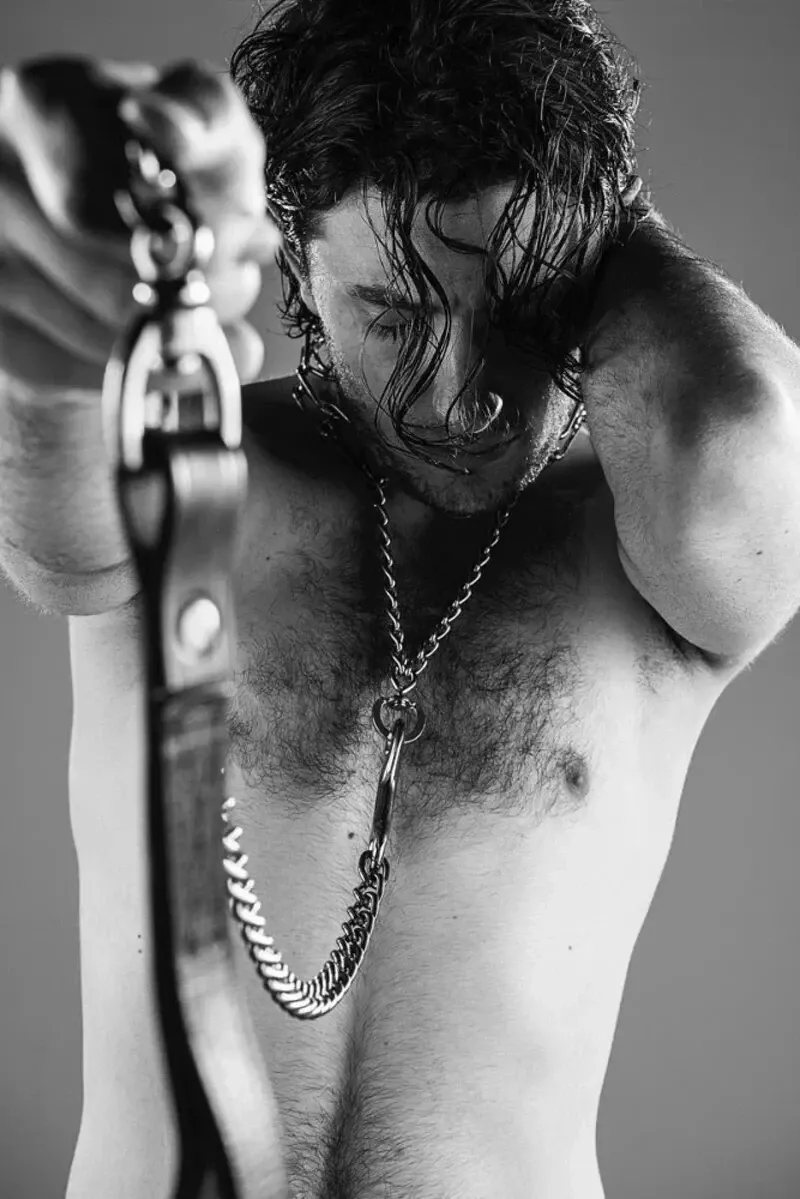
Arjan Spannenburg
SUBMISSION
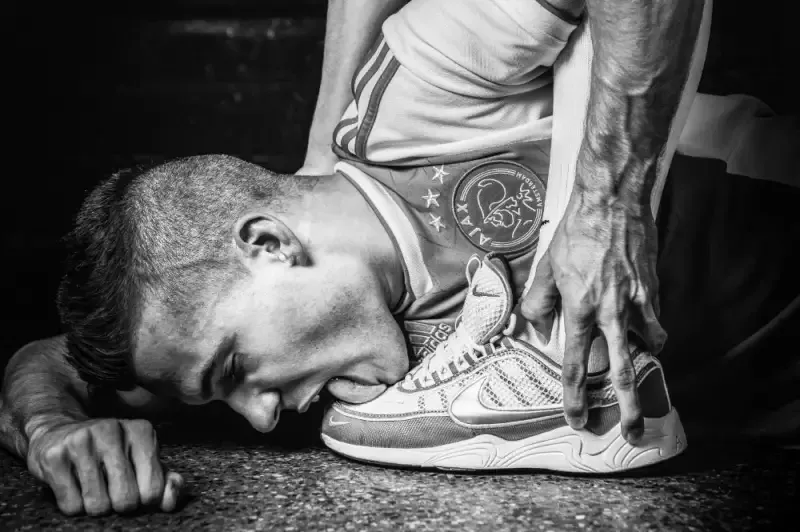
Arjan Spannenburg
YEARNING
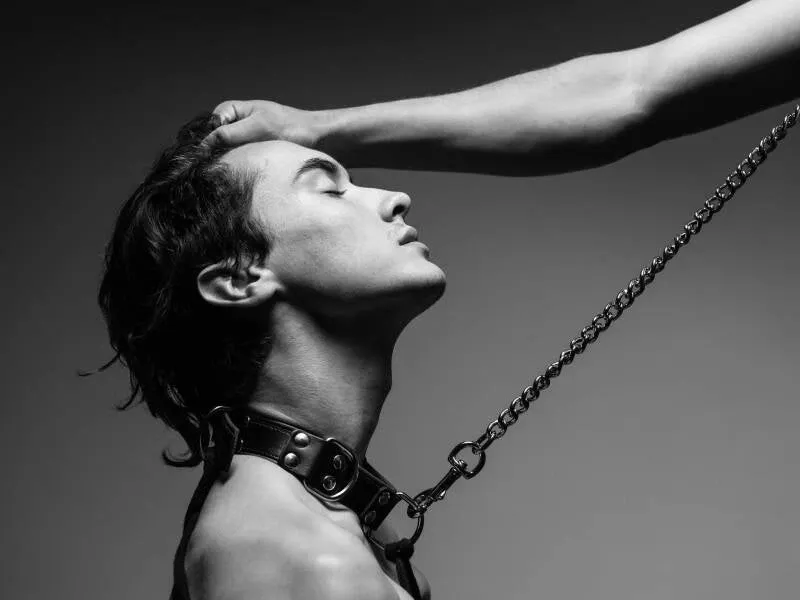
Arjan Spannenburg
RAPTURE
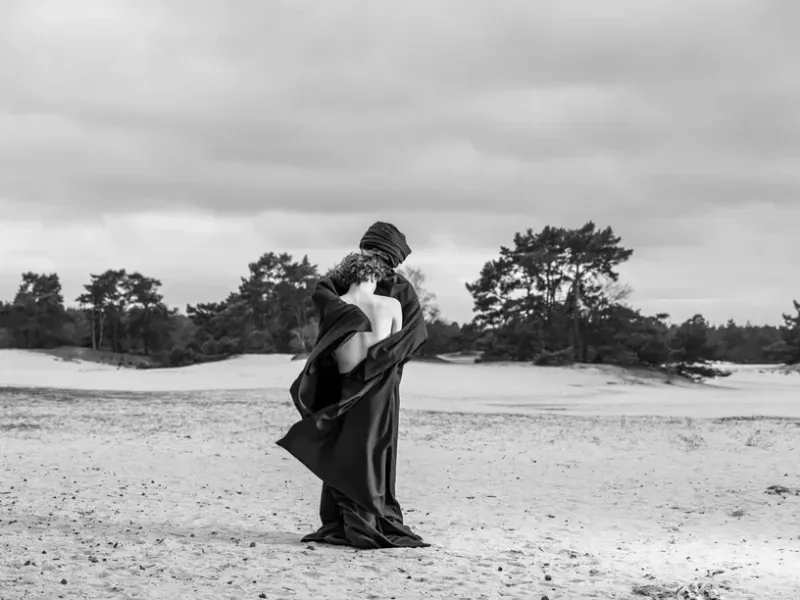
Arjan Spannenburg
EMERGE
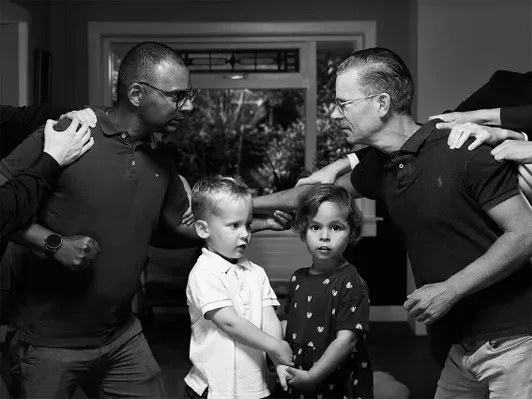
Arjan Spannenburg
SANCTIONED
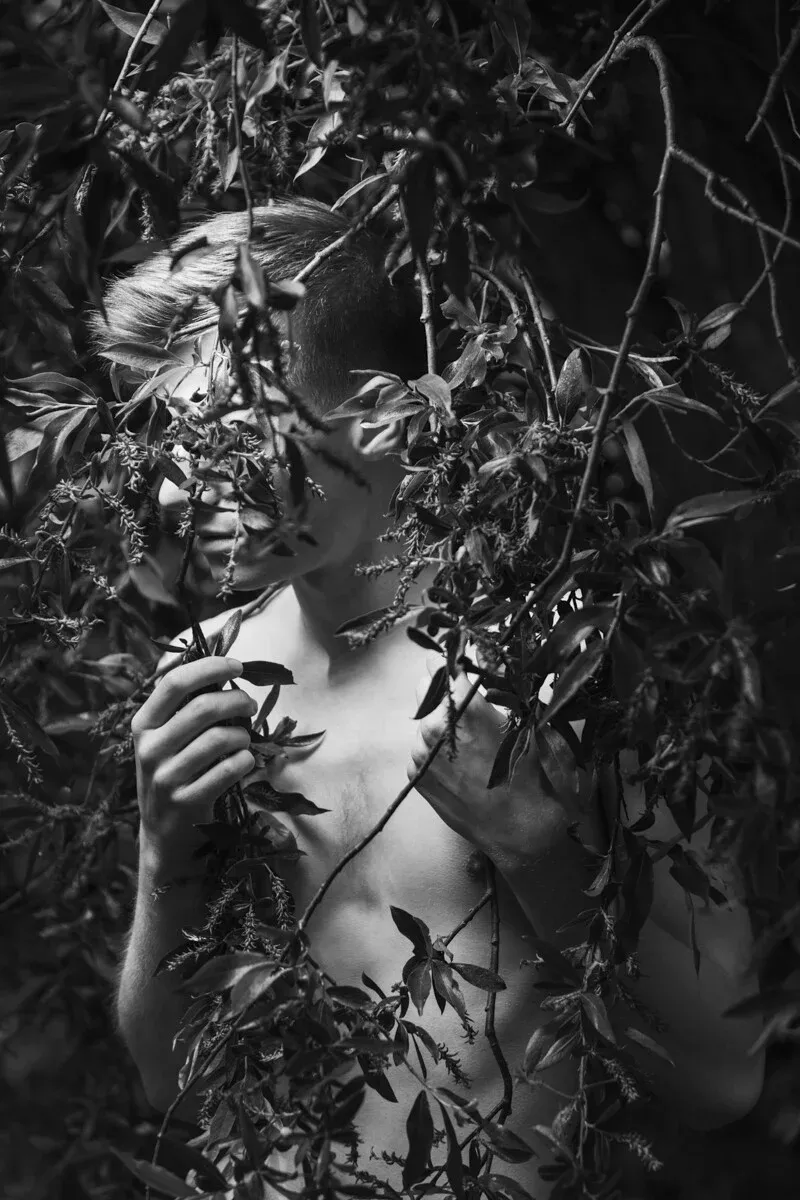
Arjan Spannenburg
ESTRANGED - YANNICK
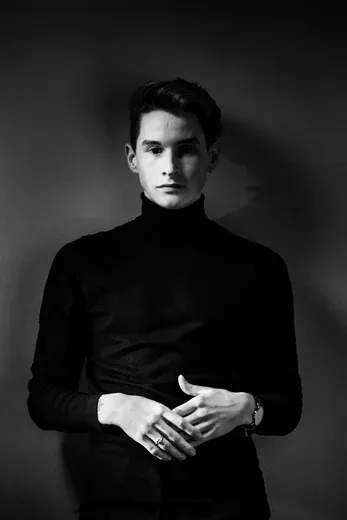
Arjan Spannenburg
THE OBSERVER
Portraiture: The Art of the Human Spirit
At its core, portraiture is the artistic pursuit of the human essence. It is perhaps the most enduring and intimate genre in art history, serving as a mirror that reflects not only the physical likeness of a subject but their psychological depth, social status, and emotional reality. A successful portrait does far more than map the topography of a face; it captures the "sitter's" soul, freezing a fleeting moment of identity in time.
Beyond the Likeness
Historically, portraits served as functional tools, recording the grandeur of monarchs or preserving the memory of ancestors before the advent of photography. However, the genre has evolved into a complex dialogue between the artist, the subject, and the viewer.
When you explore this category, you are looking at the study of:
- The Gaze: The direction of the subject's eyes can confront the viewer, invite them in, or look past them into a private world.
- Lighting and Atmosphere: From the dramatic chiaroscuro of the Old Masters to the stark, clinical lighting of modern hyper-realism, light shapes the narrative of the face.
- Context and Symbolism: The objects, clothing, and background surrounding the subject often tell a story about their profession, personality, or inner life.
A Universal Connection
Why are we drawn to portraits? It is an exercise in empathy. Whether it is a candid street photograph, a formal oil painting, or a charcoal sketch, portraiture allows us to confront the humanity of another. It bridges the gap between strangers and spans centuries, reminding us that the human experience, with all its vulnerability, pride, and complexity, is universal.
In this hub, we delve into the myriad ways artists interpret the human form. From the rigid formality of classical busts to the deconstructed abstract faces of the 20th century, portraiture remains a testament to our fascination with ourselves and each other.