Intimate Abstraction
This genre explores the intersection of human anatomy and formal abstraction through the use of extreme close ups and dramatic lighting. It moves beyond traditional portraiture to examine the body as a tactile landscape, focusing on texture, shadow, and the tension of isolated movements. Curators and buyers will discover works that prioritize the aesthetic of the human form over individual identity, offering a sophisticated study of light and surface. These pieces provide a minimalist yet profound perspective on the physical self within contemporary photography.
2 Artworks

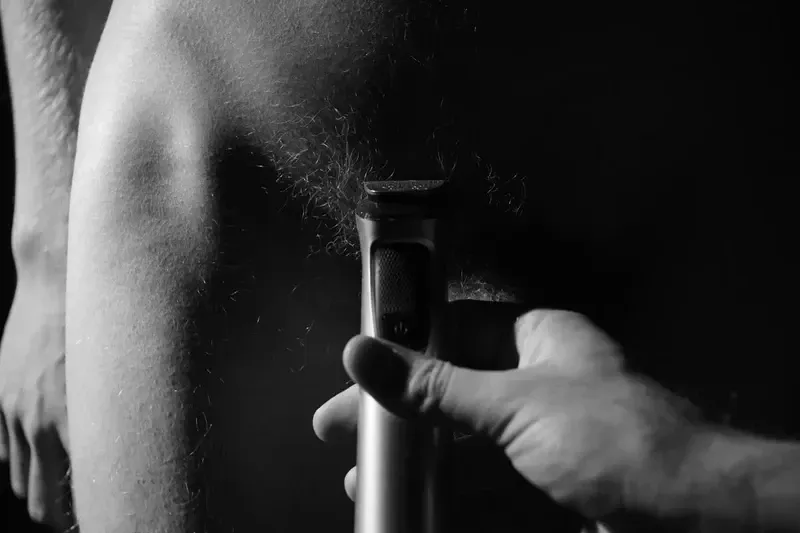
Intimate Abstraction: The Human Form as Landscape
The Philosophy of Proximity
Intimate Abstraction represents a departure from the traditional gaze, moving away from the identity of the subject and toward the raw materiality of the human form. This genre utilizes extreme proximity to decontextualize the body, transforming skin, hair, and muscle into a series of topographic explorations. By isolating specific anatomical regions, the work challenges the viewer to engage with the aesthetic properties of the body rather than its social or personal narrative. This approach emphasizes the universality of the human condition through a lens of tactile vulnerability and structural precision.
The Interplay of Light and Texture
Central to this genre is the mastery of light, specifically the use of low-key lighting to define form through shadow. The interplay of deep blacks and sharp highlights creates a rhythmic quality within the composition, where the curve of a limb or the texture of hair becomes a formal element of design. These works are not merely documentations of the physical self, but are intentional studies in contrast and volume. Curators and collectors will find that these pieces function as minimalist meditations, where the absence of environment allows for a singular focus on the nuance of surface and the tension of a moment.
Context within Contemporary Photography
In the broader art market, Intimate Abstraction sits at the crossroads of figurative art and minimalist photography. It draws inspiration from the historic focus on form found in the works of early 20th-century modernists, yet it applies a contemporary clinical precision. The genre addresses the current dialogue regarding the body as a site of both strength and fragility. By stripping away the superfluous, these artworks provide a timeless quality that resonates within both private collections and institutional galleries focused on the evolution of the photographic medium.