Dance
Questo genere esplora la sofisticata sinergia tra la coreografia umana e l'obiettivo fotografico, catturando l'essenza fugace del movimento professionale. Dà priorità alla precisione anatomica del balletto e alla fluidità espressiva della danza contemporanea, trasformando l'esertazione atletica in composizioni scultoree. Per il curatore e il collezionista più esigenti, queste opere offrono uno sguardo analitico sulla consapevolezza spaziale e sulla disciplina fisica. La collezione funge da registro definitivo dell'energia cinetica, dove il corpo è utilizzato come mezzo primario per esplorare temi di equilibrio, tensione ed estetica strutturale della forma umana.
2 Artworks
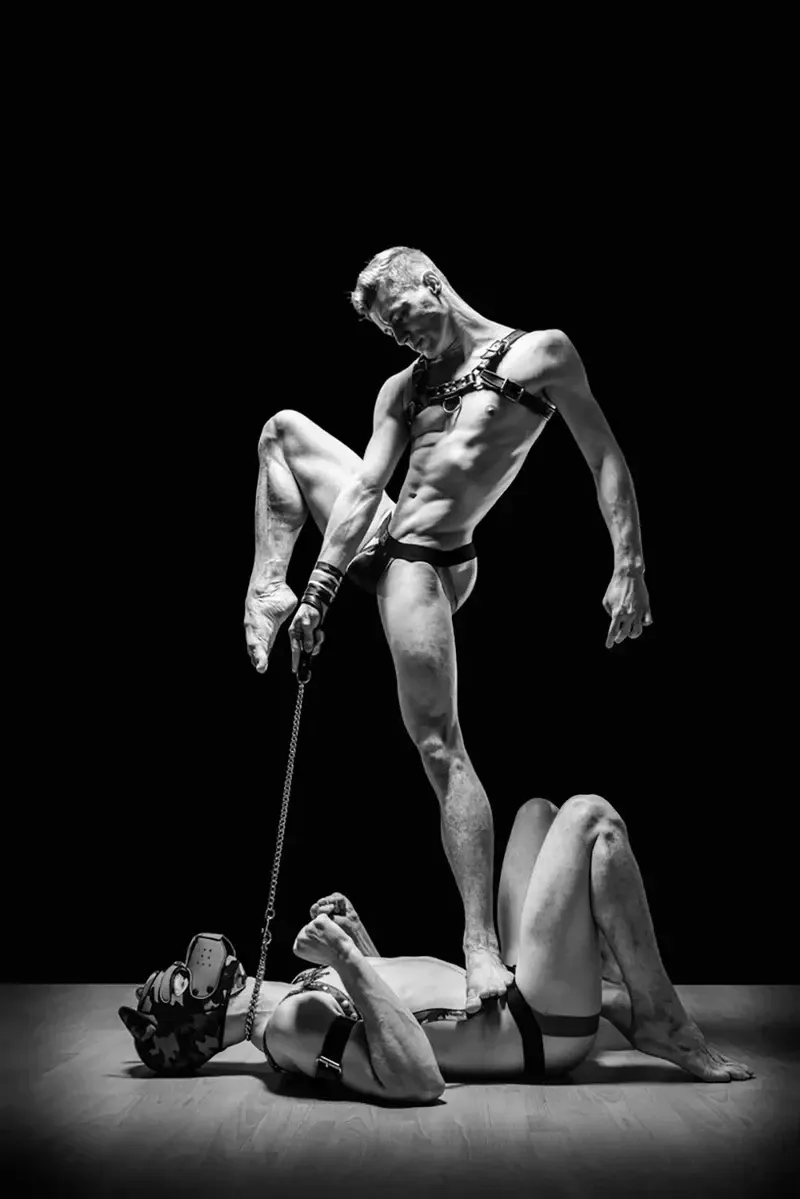
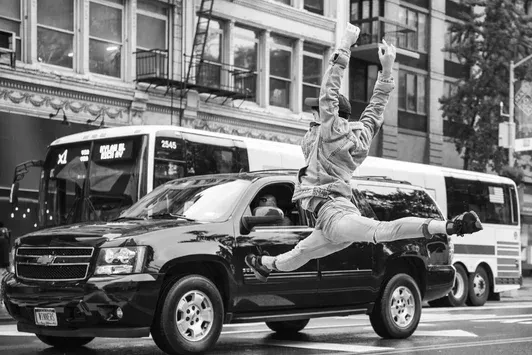
The Kinetics of Form: Defining the Dance Genre in Fine Art Photography
The intersection of choreography and photography represents a rigorous exploration of human kinetics, where the ephemeral nature of movement is distilled into a permanent visual record. In this genre, the artist does not merely document a performance, they translate the physical exertion and emotional resonance of dance into a static medium. This transition requires a profound understanding of anatomical precision, spatial dynamics, and the precise moment of peak extension. Collectors and curators will find works here that prioritize the dialogue between the moving body and the surrounding environment, focusing on the tension, balance, and release inherent in professional dance.
Philosophical Underpinnings and Visual Language
Beyond the technical execution, dance photography serves as a philosophical inquiry into the limits of the human form. It explores the concept of controlled gravity, where the subject defies physical constraints through disciplined athleticism. The works within this collection emphasize the structural integrity of the body, often utilizing high contrast or minimalist settings to isolate the purity of a silhouette or the texture of muscle tension. By removing the distraction of a traditional stage, the imagery elevates the dancer from a performer to a sculptural entity. This approach aligns with contemporary curatorial standards by treating movement as a formalist study of light and shadow.
The Significance of Movement in Contemporary Acquisition
For the international art buyer, this genre offers a sophisticated bridge between performance art and fine art photography. The relevance of dance within the broader art market is anchored in its ability to convey universal themes of discipline, vulnerability, and strength without relying on literal narrative. Contemporary works in this field reference both the classical rigors of traditional ballet and the fluid, often deconstructed movements of modern dance. This diversity ensures that the collection resonates with a wide range of institutional and private interests, providing a comprehensive overview of how human motion continues to define our understanding of aesthetic grace and physical capability.