Intimate Abstraction
このジャンルは、極端なクローズアップとドラマチックなライティングの使用を通じて、人体構造と形式的抽象化の交差を探求しています。それは伝統的な肖像画を超えて、身体を触覚的な風景として考察し、質感、影、そして孤立した動きの緊張に焦点を当てています。キュレーターや購入者は、個々のアイデンティティよりも人体美学を優先し、光と表面の洗練された研究を提供する作品を発見するでしょう。これらの作品は、現代写真における身体的自己についてのミニマリストでありながら、深遠な視点を提供します。
2 Artworks

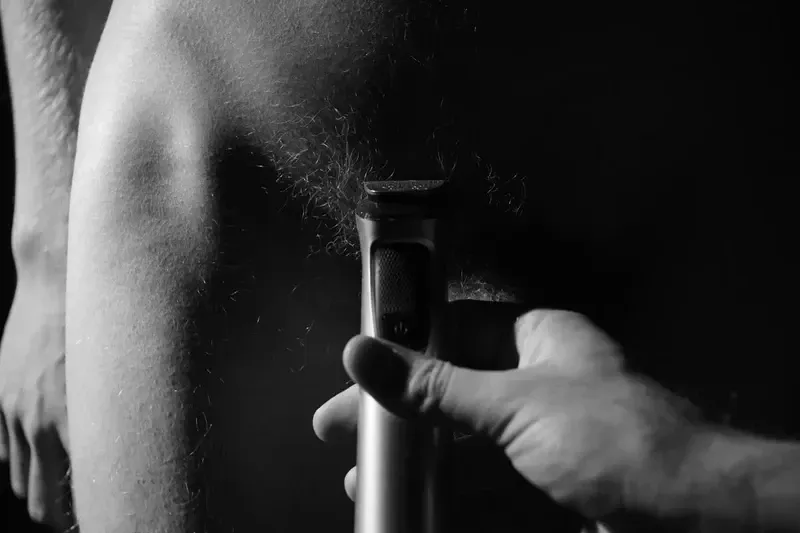
Intimate Abstraction: The Human Form as Landscape
The Philosophy of Proximity
Intimate Abstraction represents a departure from the traditional gaze, moving away from the identity of the subject and toward the raw materiality of the human form. This genre utilizes extreme proximity to decontextualize the body, transforming skin, hair, and muscle into a series of topographic explorations. By isolating specific anatomical regions, the work challenges the viewer to engage with the aesthetic properties of the body rather than its social or personal narrative. This approach emphasizes the universality of the human condition through a lens of tactile vulnerability and structural precision.
The Interplay of Light and Texture
Central to this genre is the mastery of light, specifically the use of low-key lighting to define form through shadow. The interplay of deep blacks and sharp highlights creates a rhythmic quality within the composition, where the curve of a limb or the texture of hair becomes a formal element of design. These works are not merely documentations of the physical self, but are intentional studies in contrast and volume. Curators and collectors will find that these pieces function as minimalist meditations, where the absence of environment allows for a singular focus on the nuance of surface and the tension of a moment.
Context within Contemporary Photography
In the broader art market, Intimate Abstraction sits at the crossroads of figurative art and minimalist photography. It draws inspiration from the historic focus on form found in the works of early 20th-century modernists, yet it applies a contemporary clinical precision. The genre addresses the current dialogue regarding the body as a site of both strength and fragility. By stripping away the superfluous, these artworks provide a timeless quality that resonates within both private collections and institutional galleries focused on the evolution of the photographic medium.