Conceptual
此類型探討了攝影媒材中觀念的至高無上。透過解構相機的傳統角色,這些作品將視覺數據轉化為哲學探問。收藏家與策展人將在此找到精選的系列,其優先考量為敘事深度、系統性批判,以及對抽象概念的探索,而非字面上的呈現。此方法與國際藝術市場的嚴謹標準一致,提供可作為思想標竿的作品。此系列強調藝術家作為思想家的角色,運用影像來駕馭複雜的社會與本體論景觀。
68 Artworks
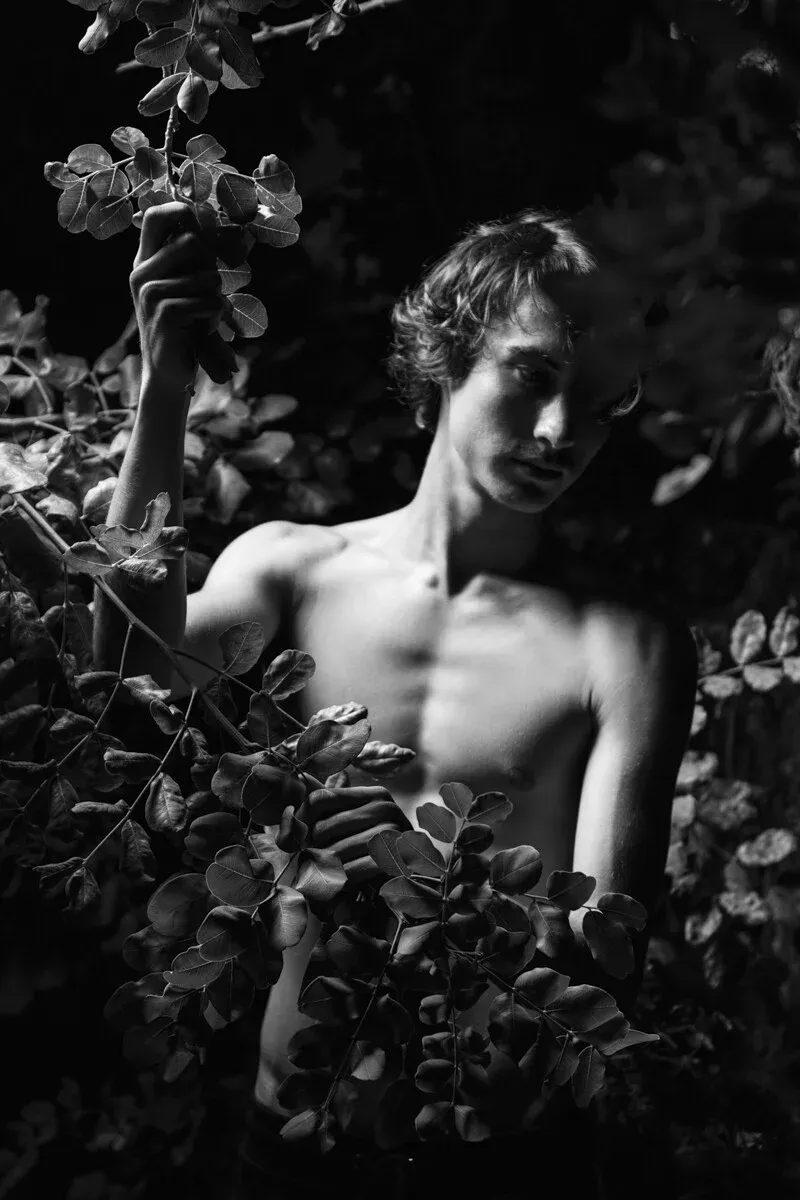
Arjan Spannenburg
ESTRANGED - JAAP
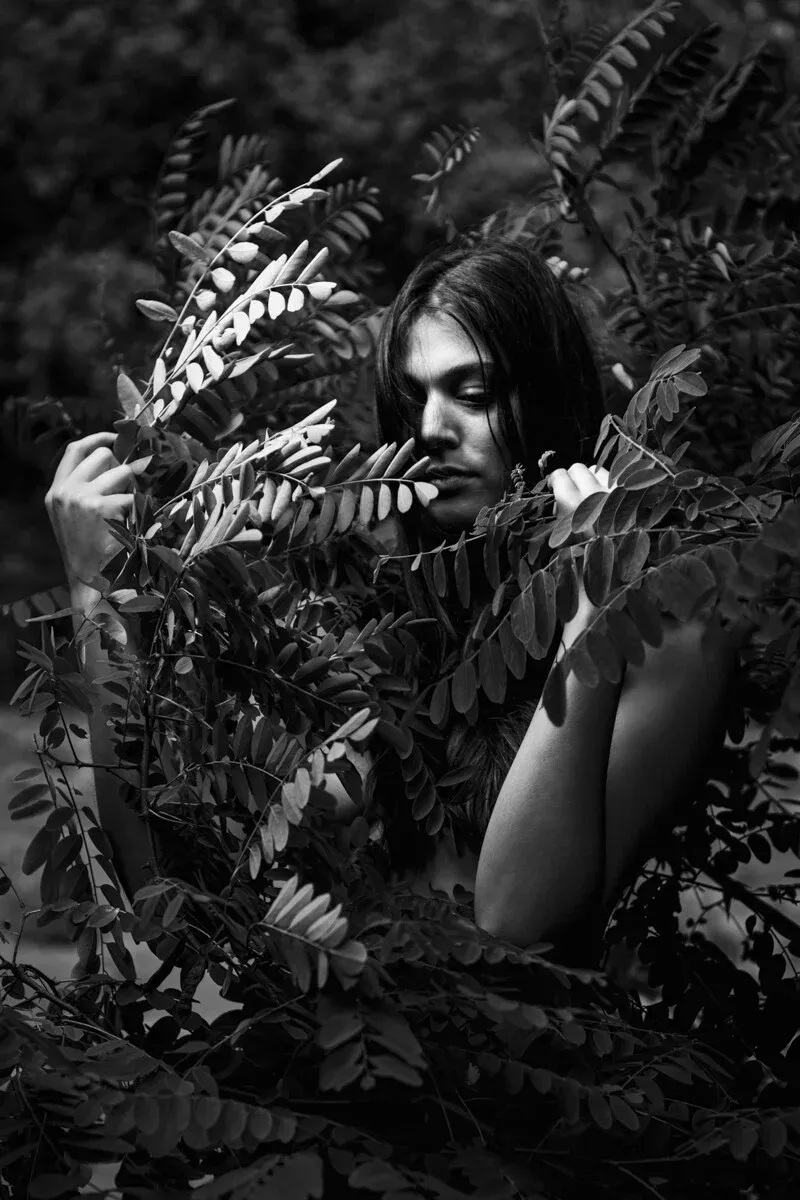
Arjan Spannenburg
ESTRANGED - ELLINOOR
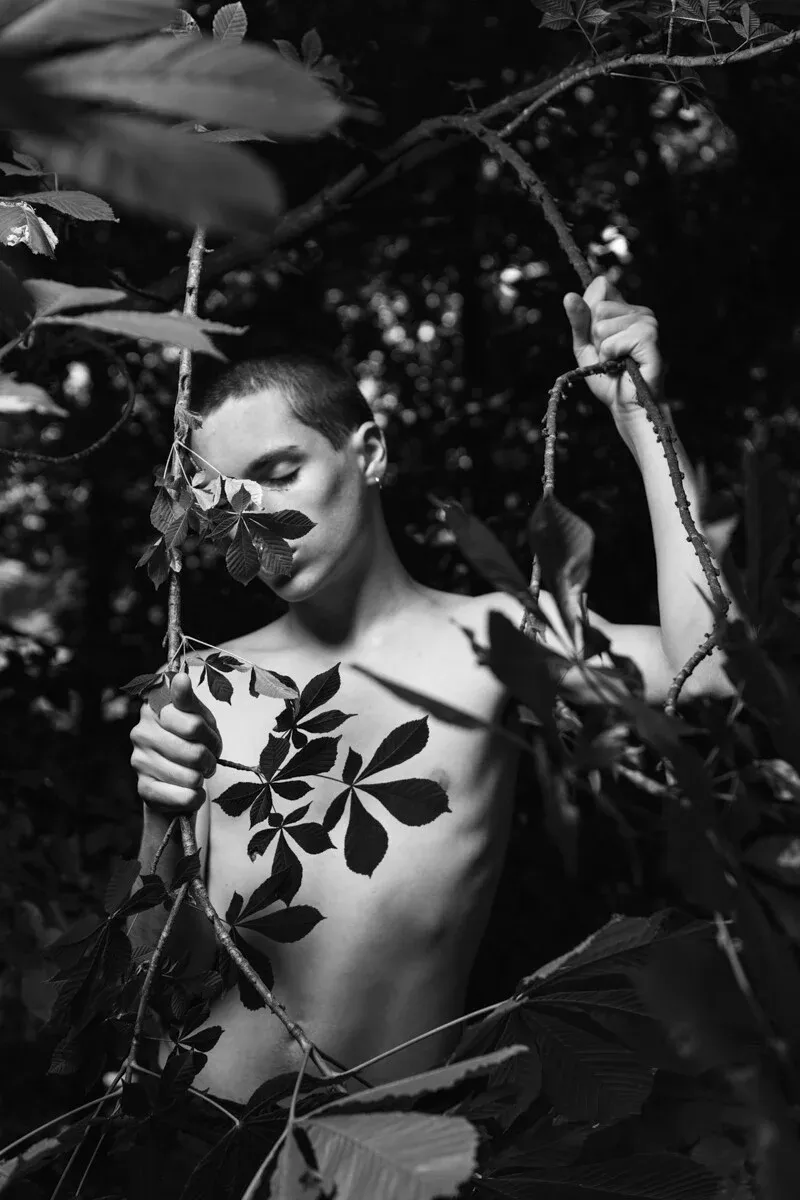
Arjan Spannenburg
ESTRANGED - FRANCISCO
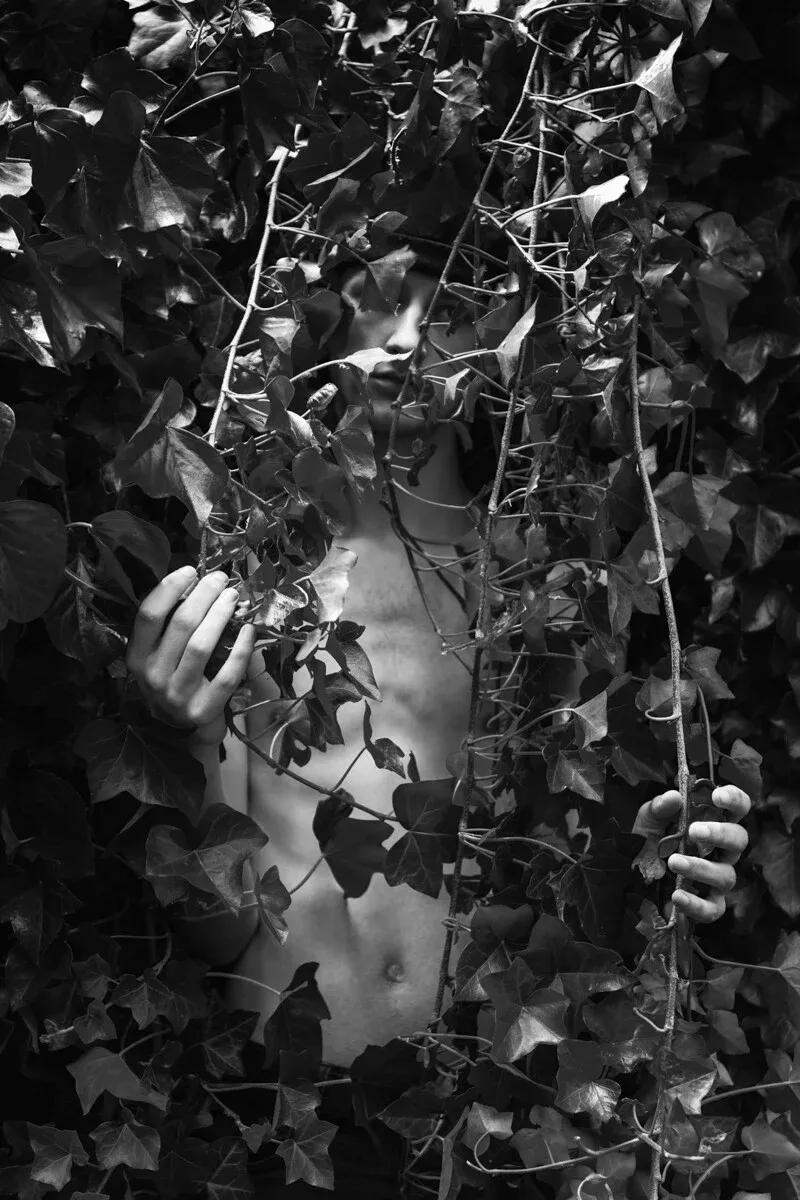
Arjan Spannenburg
ESTRANGED - SIEBE
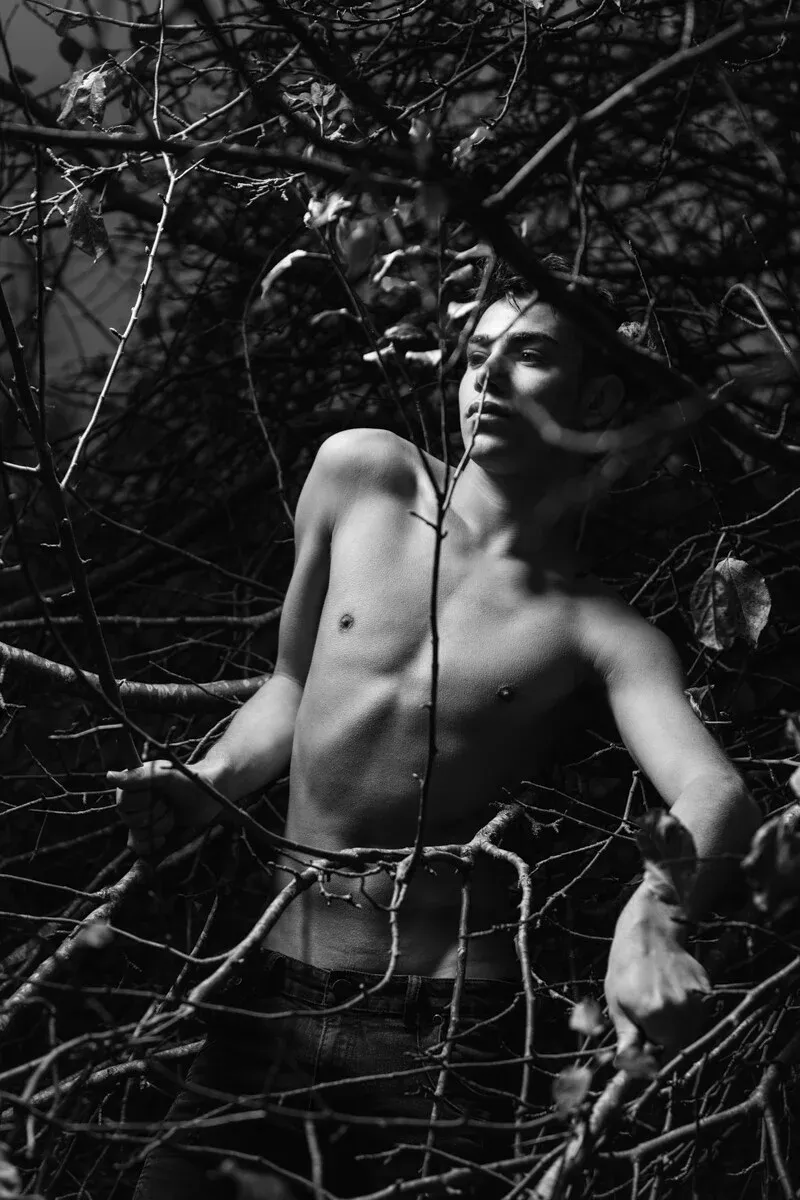
Arjan Spannenburg
ESTRANGED - DAMIAN

Arjan Spannenburg
ESTRANGED - LUX
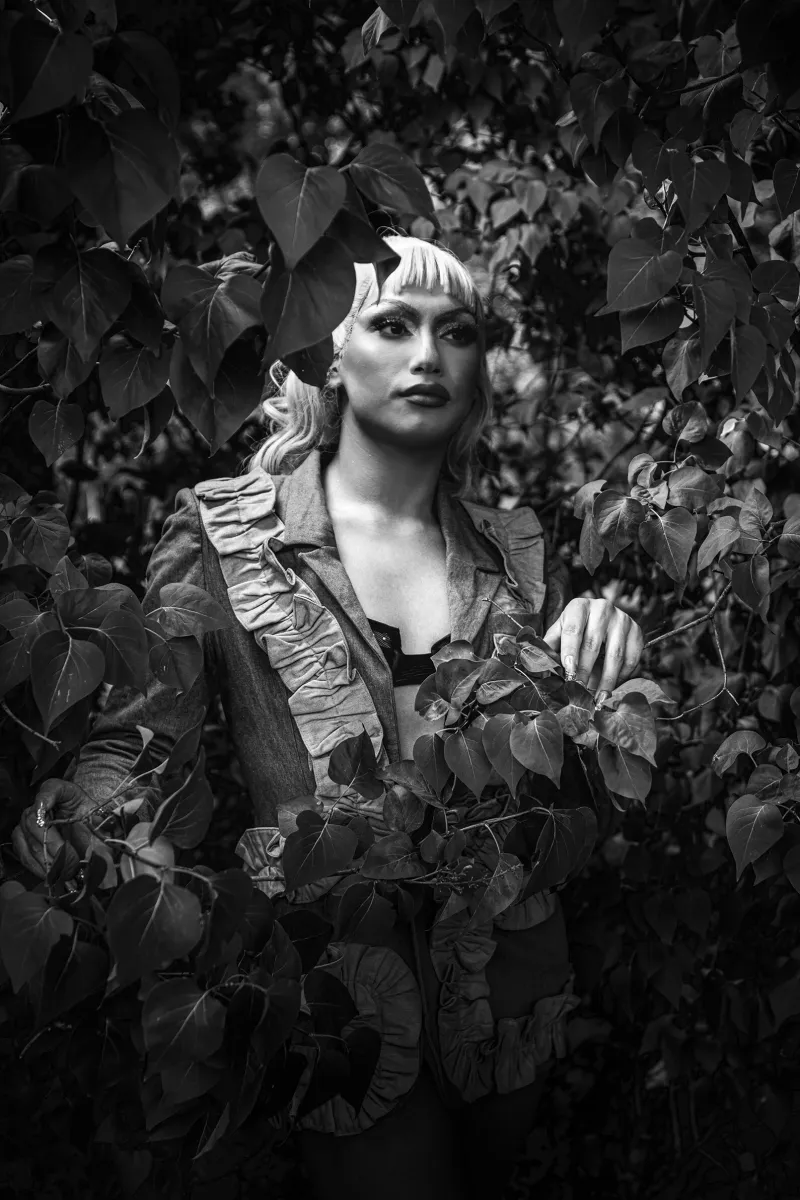
Arjan Spannenburg
ESTRANGED - TOOTSI
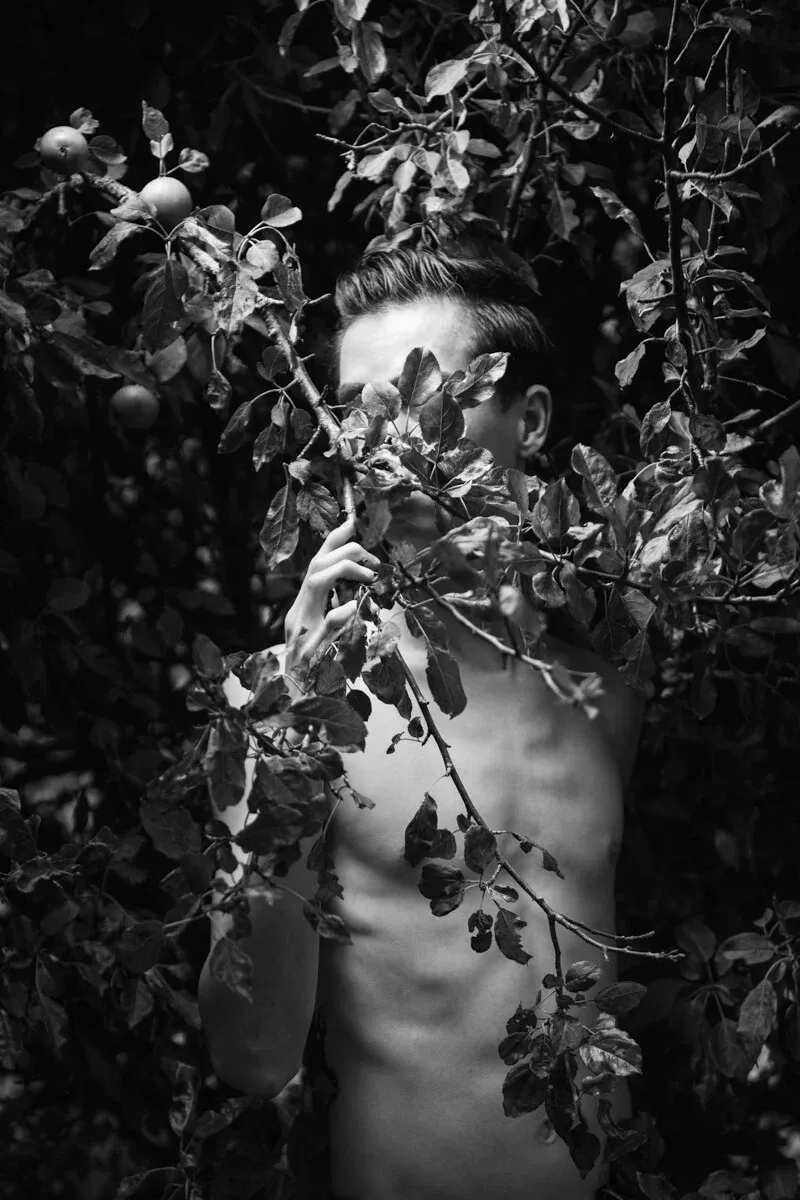
Arjan Spannenburg
ESTRANGED - BRANDON
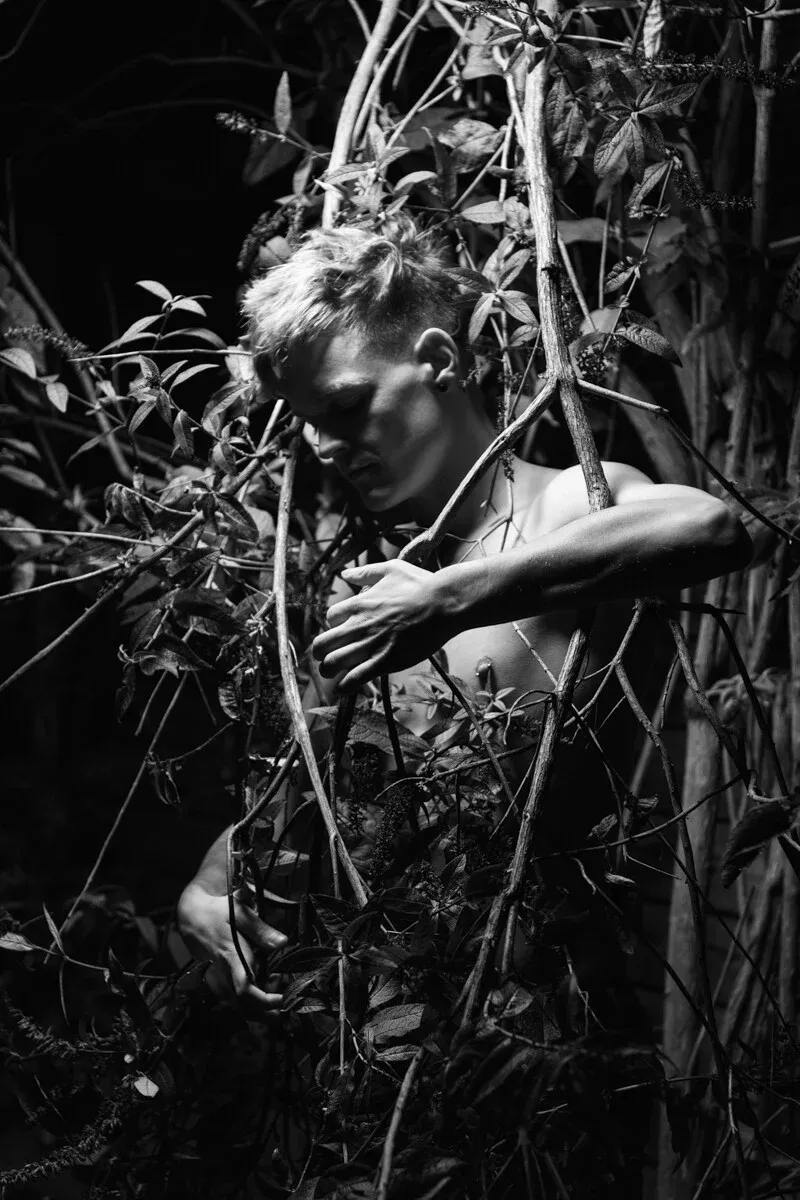
Arjan Spannenburg
ESTRANGED - SANDER
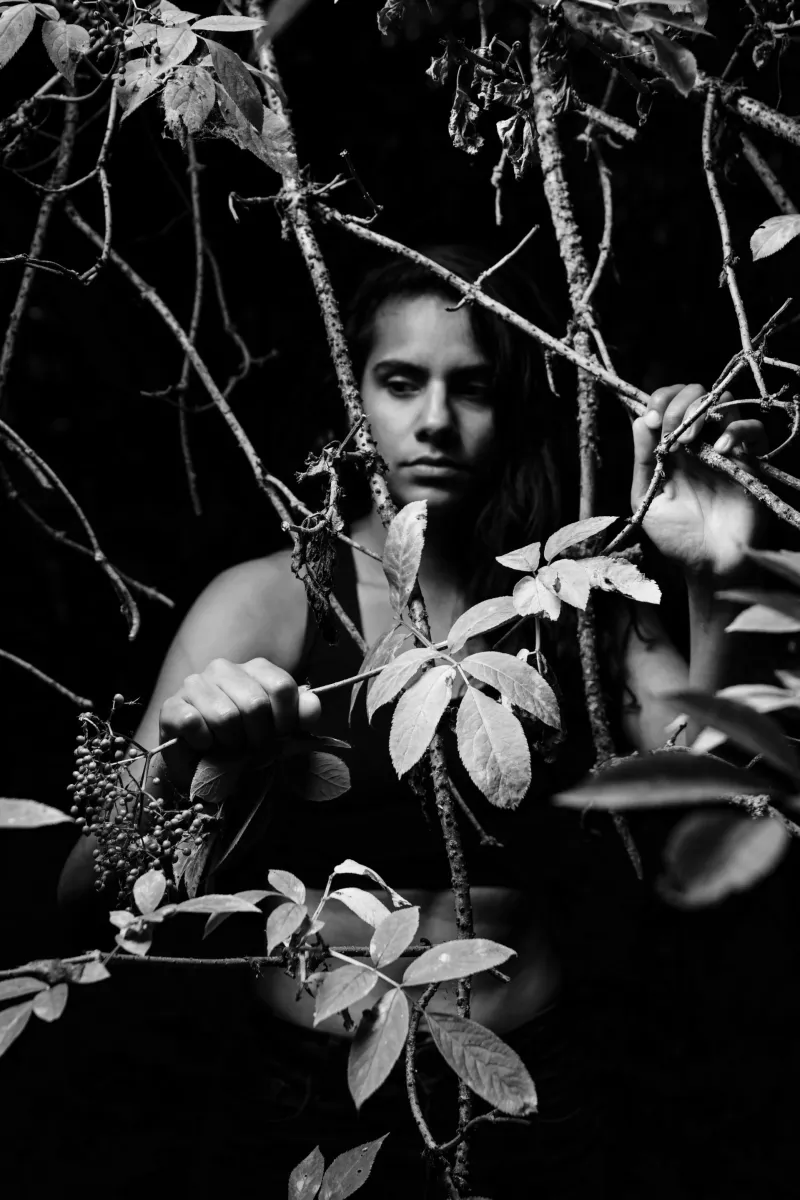
Arjan Spannenburg
ESTRANGED - SURAINA
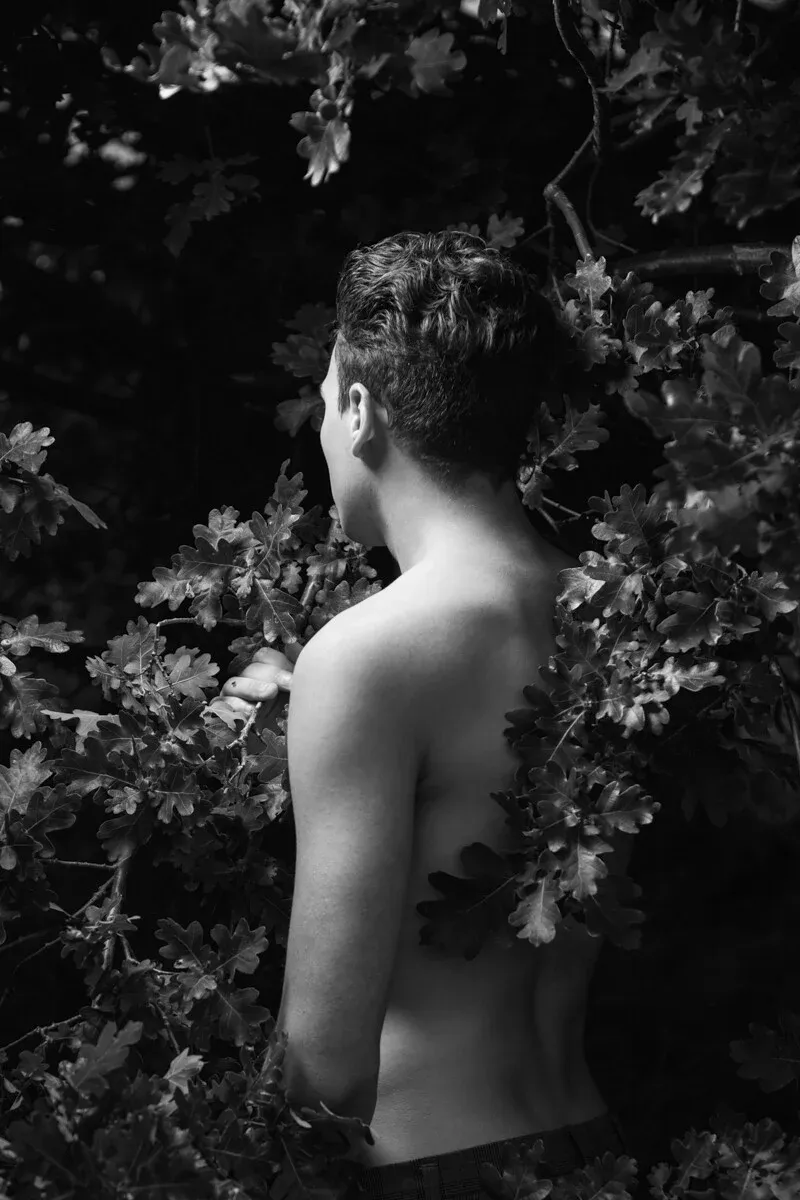
Arjan Spannenburg
ESTRANGED - CHRISTIAN
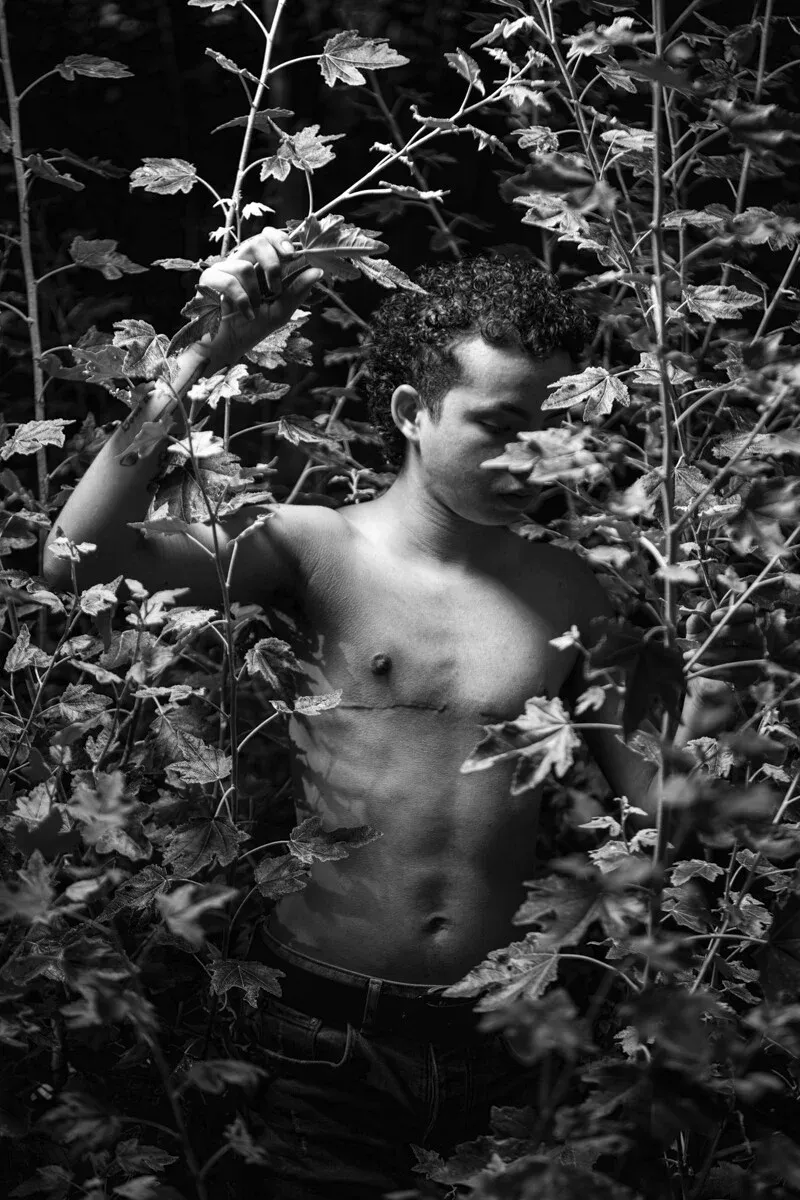
Arjan Spannenburg
ESTRANGED - DANNY
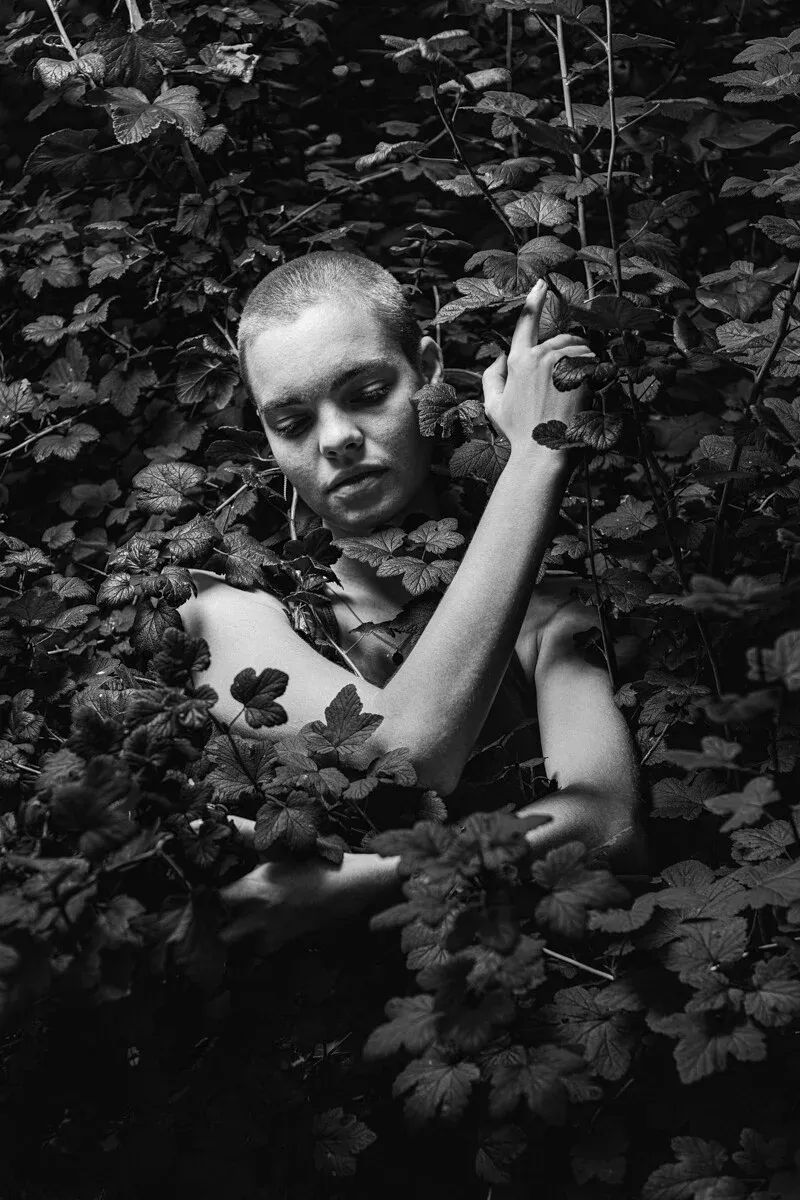
Arjan Spannenburg
ESTRANGED - ROBIN
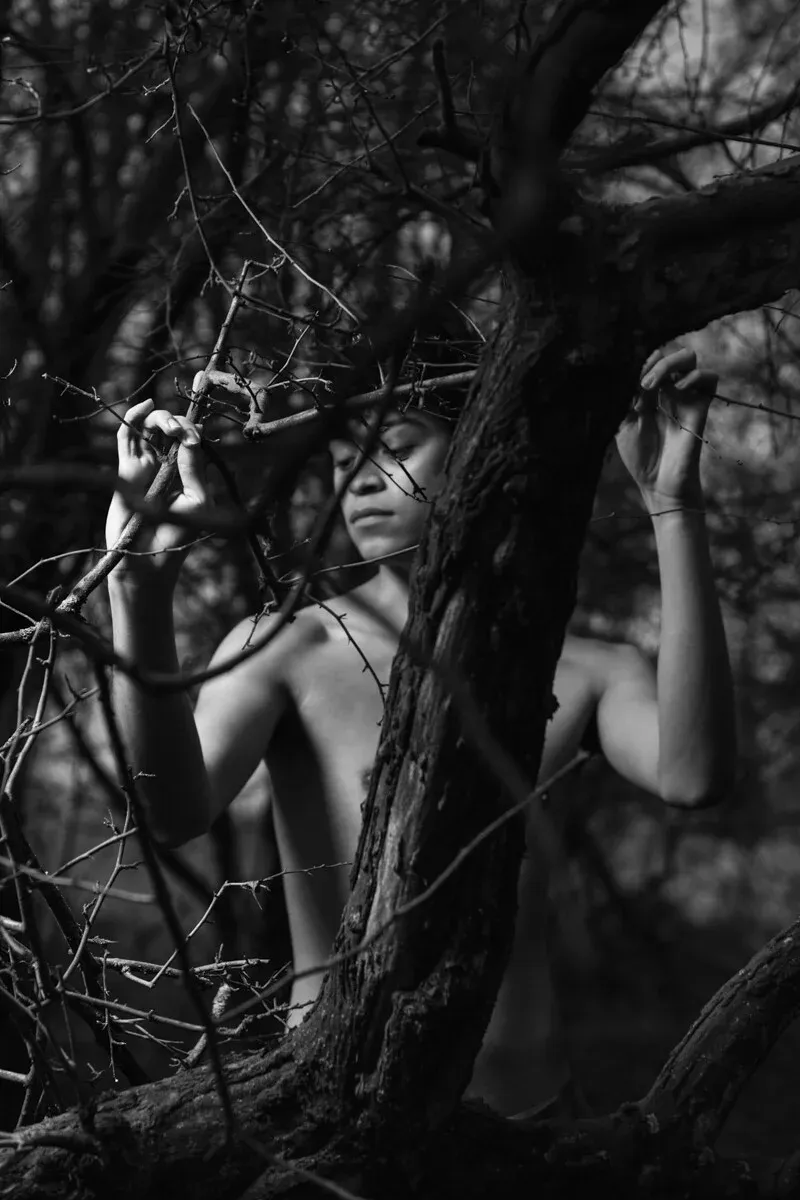
Arjan Spannenburg
ESTRANGED - WILSON
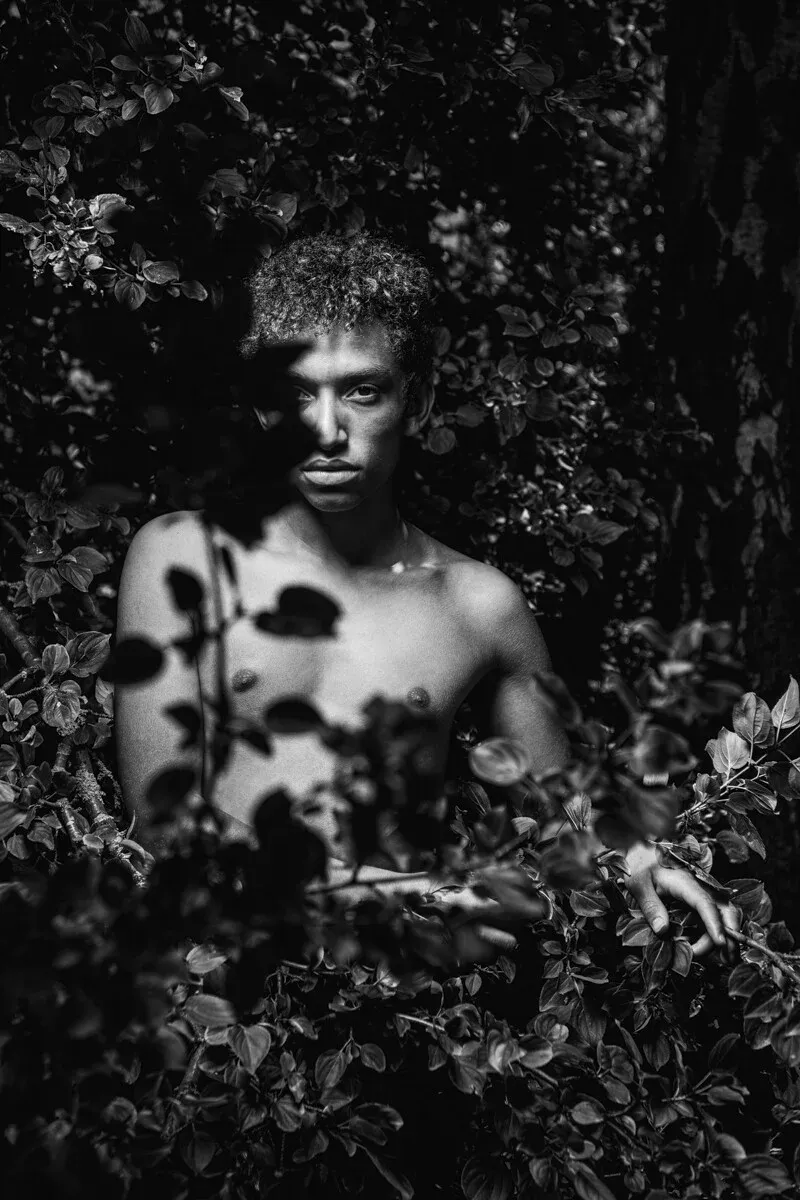
Arjan Spannenburg
ESTRANGED - JOEL

Arjan Spannenburg
ESTRANGED - ZICO
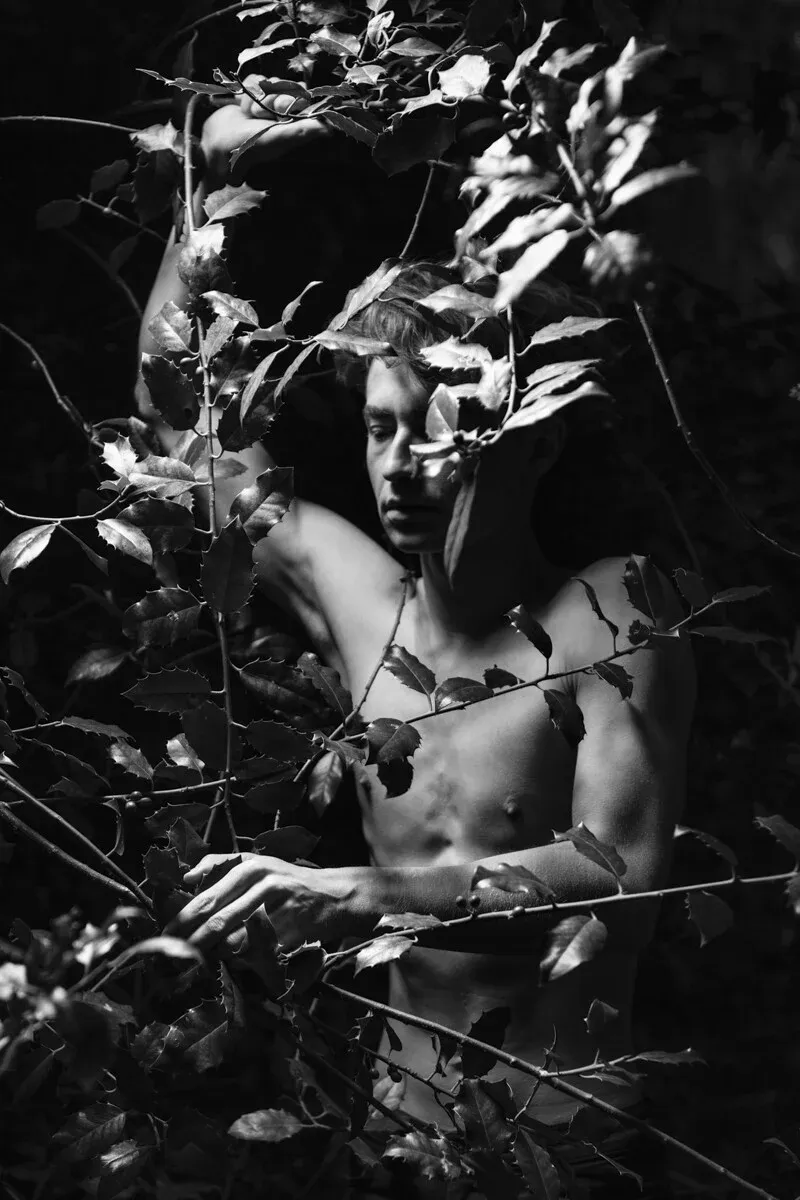
Arjan Spannenburg
ESTRANGED - RICARDO

Arjan Spannenburg
ESTRANGED - STAN

Arjan Spannenburg
ESTRANGED - YANNICK
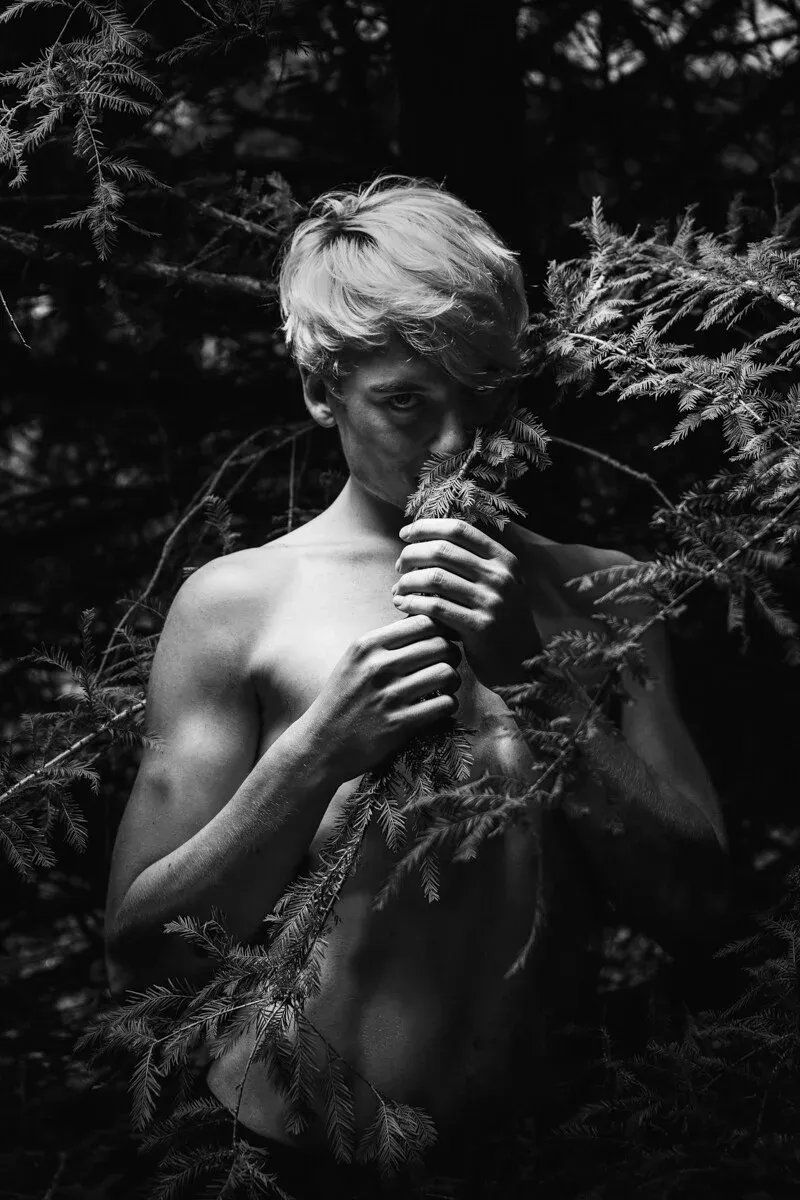
Arjan Spannenburg
ESTRANGED - JIP
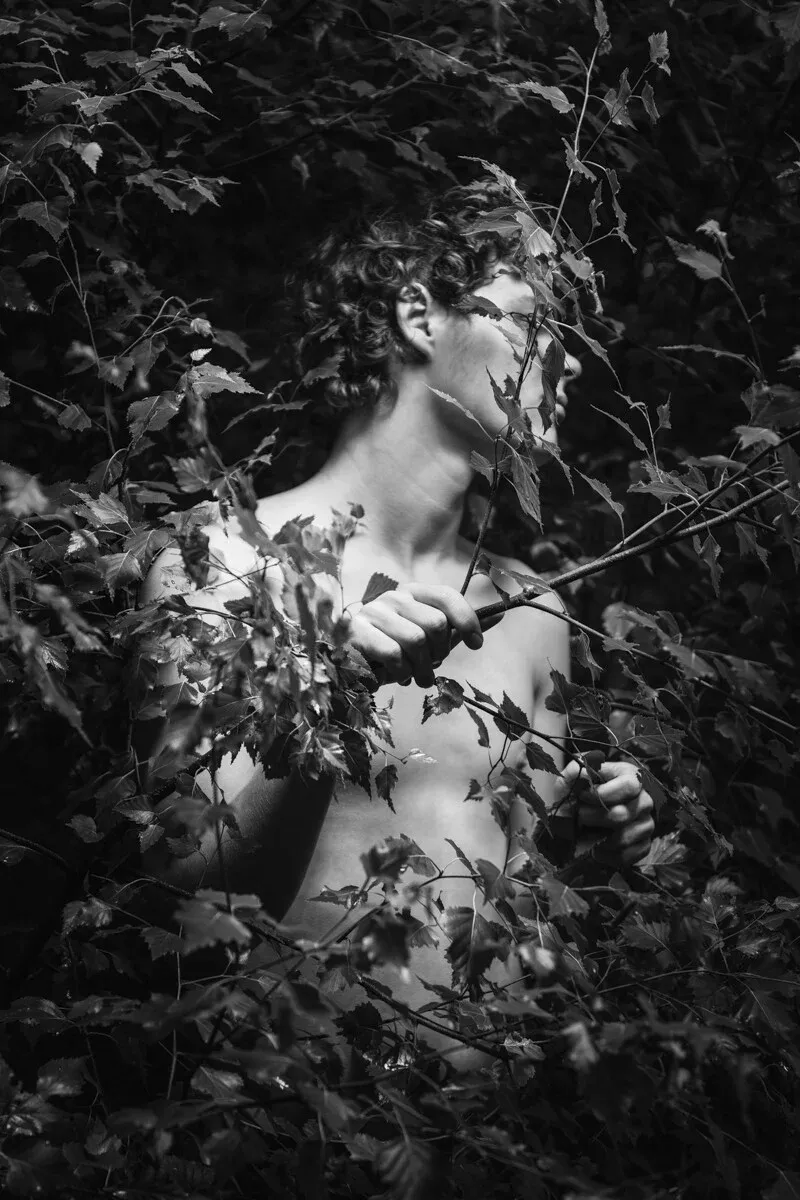
Arjan Spannenburg
ESTRANGED - MAX

Arjan Spannenburg
BOUND 3

Arjan Spannenburg
BOUND 2

Arjan Spannenburg
RELIANT

Arjan Spannenburg
RECONNECTION

Arjan Spannenburg
BOUND 1

Arjan Spannenburg
REVIVAL

Arjan Spannenburg
INGRAINED
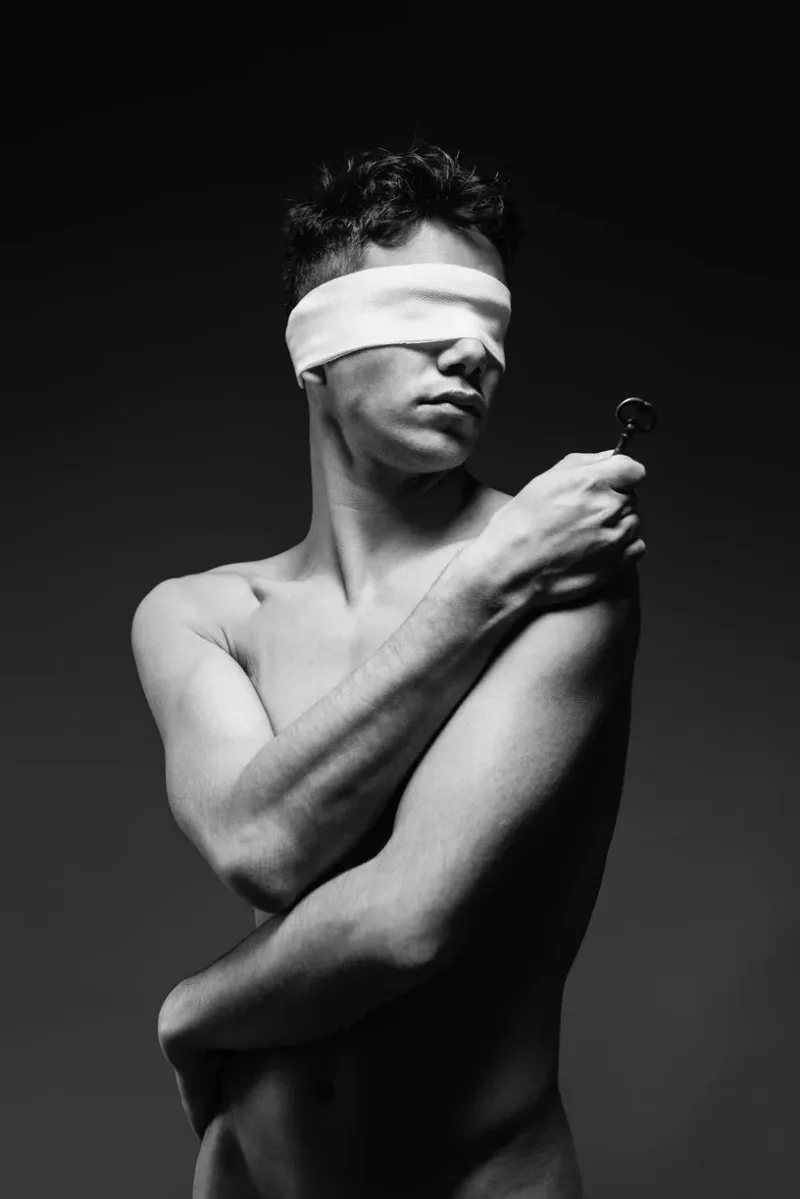
Arjan Spannenburg
BLIND LOVE - TRUST

Arjan Spannenburg
BLIND LOVE - SURRENDER
Arjan Spannenburg
BLIND LOVE - CONSIDERATION
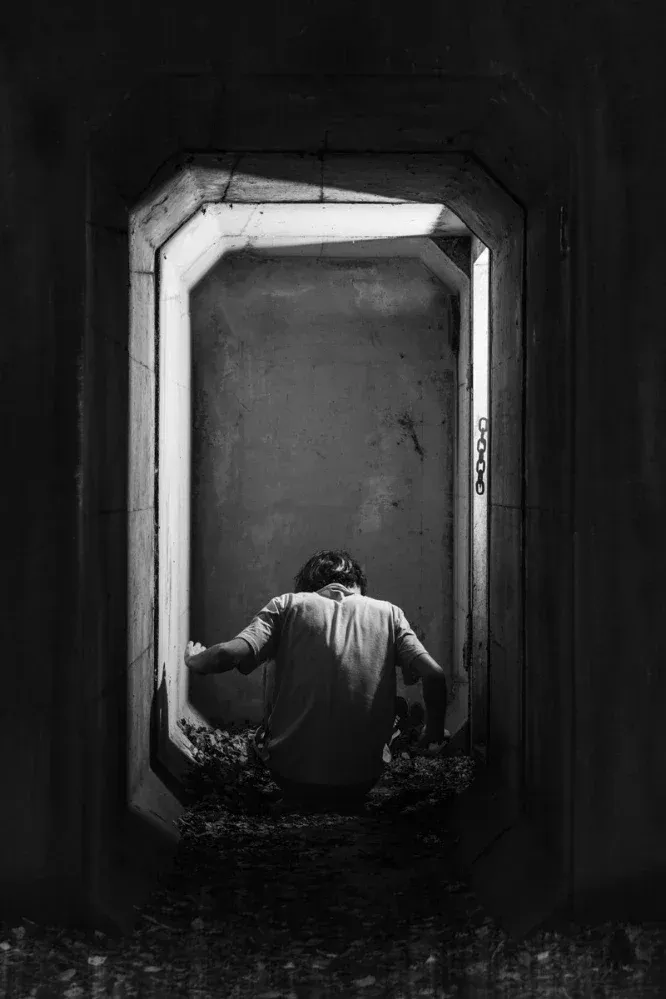
Arjan Spannenburg
SENTIENT

Arjan Spannenburg
TOUCH ME 2 - Inclination

Arjan Spannenburg
TOUCH ME 2 - Propensity

Arjan Spannenburg
TOUCH ME 2 - Tendency

Arjan Spannenburg
TOUCH ME 2 - Velleity

Arjan Spannenburg
COMPELLED - Damian

Arjan Spannenburg
COMPELLED - Robin
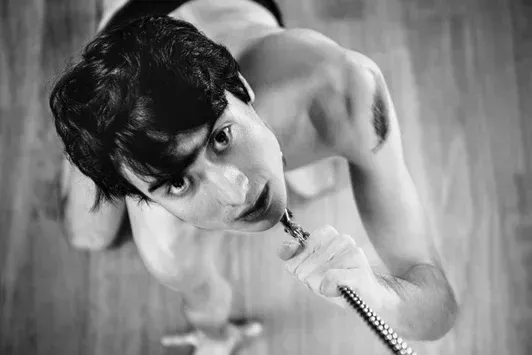
Arjan Spannenburg
COMPELLED - Jaap

Arjan Spannenburg
COMPELLED - Jacob

Arjan Spannenburg
COMPELLED - Mats

Arjan Spannenburg
COMPELLED - Charlotte
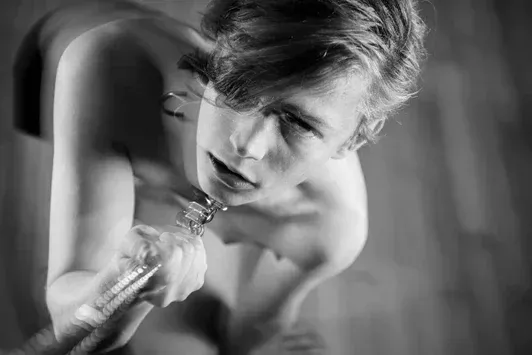
Arjan Spannenburg
COMPELLED - Thijs

Arjan Spannenburg
RESTRAINT 3
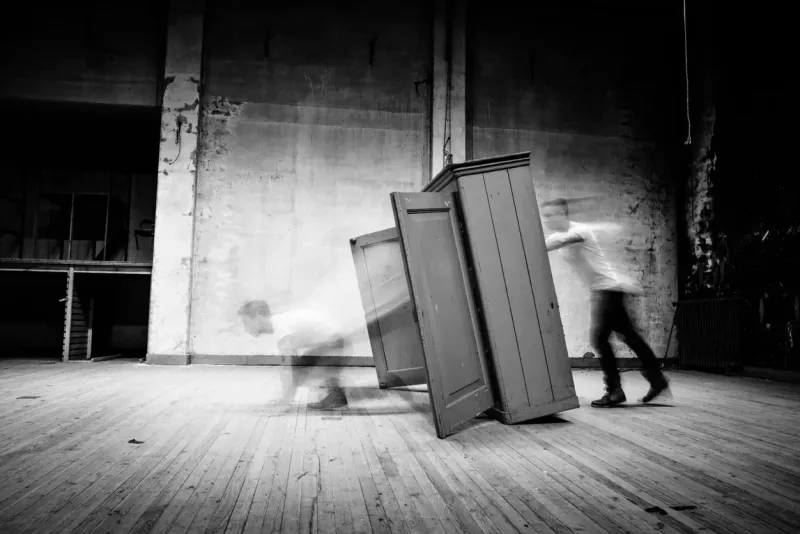
Arjan Spannenburg
COMING OUT

Arjan Spannenburg
CAPTIVATION

Arjan Spannenburg
ESCAPADE
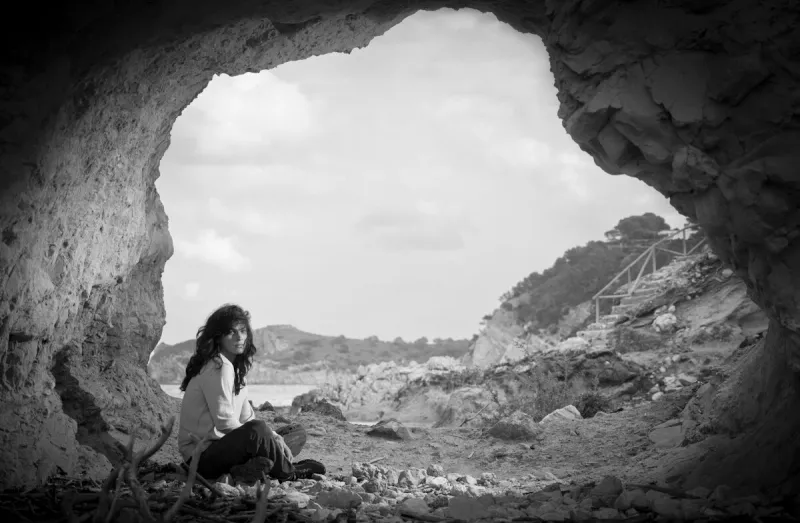
Arjan Spannenburg
SANCTUARY
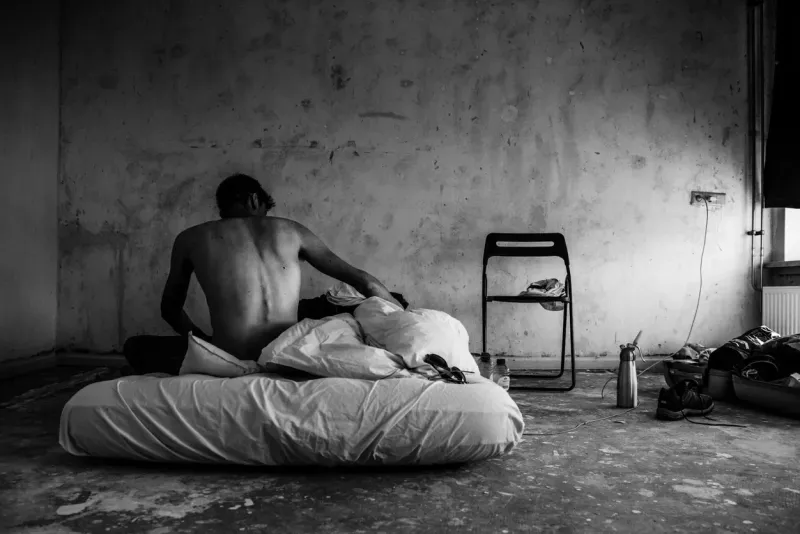
Arjan Spannenburg
OUTCAST

Arjan Spannenburg
SIREN 3/3

Arjan Spannenburg
SIREN 2/3

Arjan Spannenburg
SIREN 1/3

Arjan Spannenburg
JOHN THE BAPTIST - The Red Mantle

Arjan Spannenburg
JOHN THE BAPTIST - Presence

Arjan Spannenburg
JOHN THE BAPTIST - The Weight of the Word

Arjan Spannenburg
JOHN THE BAPTIST - The Shepherd's Gaze

Arjan Spannenburg
SEGREGATION

Arjan Spannenburg
EROSION
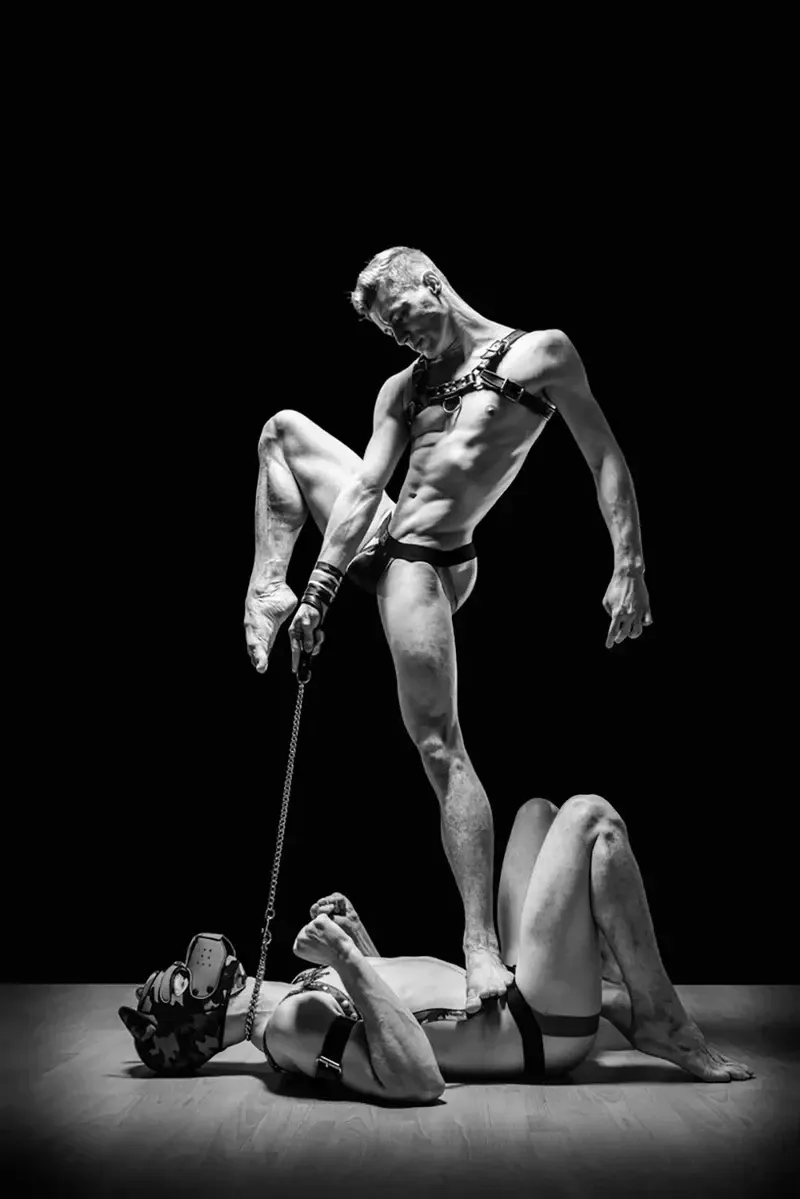
Arjan Spannenburg
RECIPROCATION

Arjan Spannenburg
DOMINION

Arjan Spannenburg
WHERE IT CALMS

Arjan Spannenburg
YEARNING

Arjan Spannenburg
RAPTURE
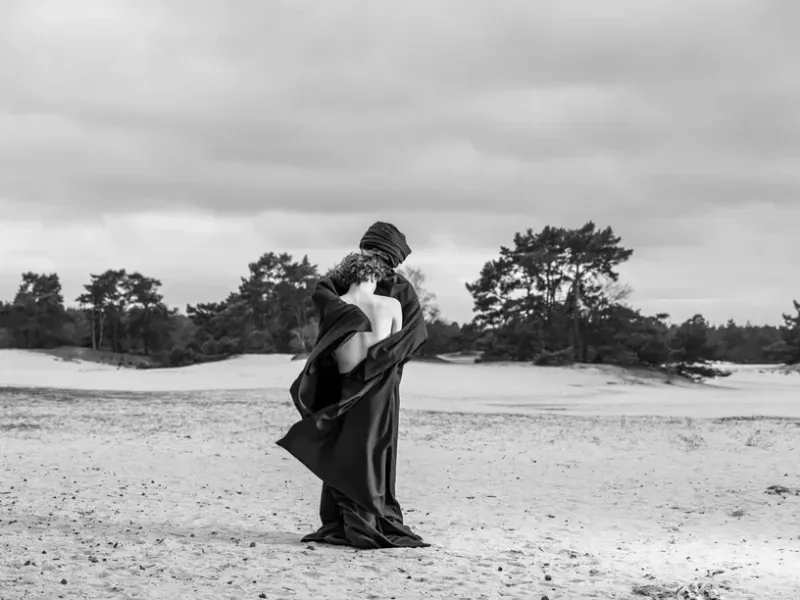
Arjan Spannenburg
EMERGE
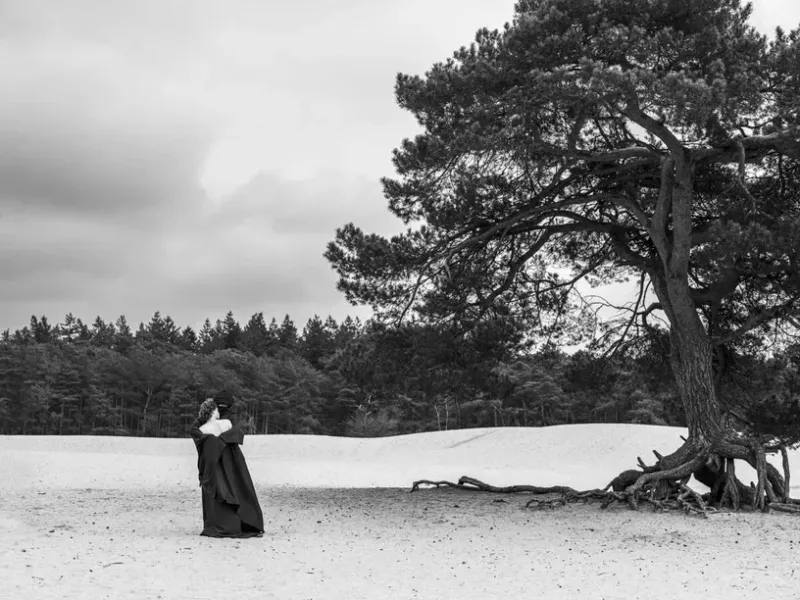
Arjan Spannenburg
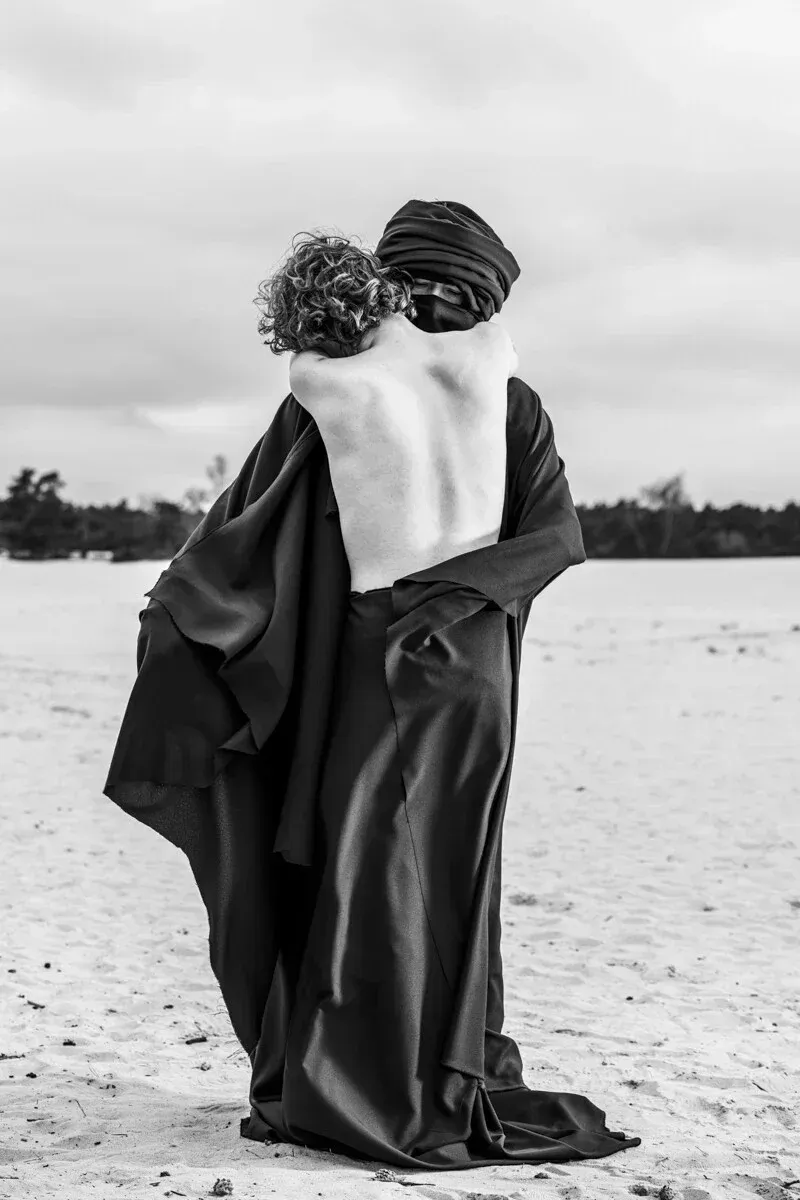
ROOTED
Arjan Spannenburg
SOLACE

Arjan Spannenburg
BLIND

Arjan Spannenburg
SEARCHING
Beyond the Visual Surface
Conceptual art prioritizes the underlying idea over the traditional aesthetic or technical execution. In the realm of photography, this shift means the lens is no longer a tool for mere documentation but a vehicle for a thesis. The works presented within this genre function as visual manifestations of abstract thought, where the image serves as the final stage of a rigorous intellectual process. For the international curator and collector, these pieces represent a dialogue between the seen and the understood. The focus lies in the interrogation of social structures, identity, and the subjective nature of reality itself.
The Evolution of the Idea as Medium
The historical lineage of this genre traces back to the mid twentieth century when artists began to challenge the preciousness of the art object. Contemporary conceptual photography continues this legacy by utilizing staged imagery, found objects, and digital interventions to dismantle conventional narratives. Within this collection, the viewer encounters a deliberate use of symbolism and metaphor. Each composition is a calculated decision designed to provoke a specific inquiry or cognitive dissonance. By situating these works within the broader global art market, it becomes clear that conceptualism remains a dominant force, bridging the gap between philosophy and visual culture. These photographs are not intended to be passive experiences, instead, they demand an active engagement with the provenance of the idea.