Pesquisa e processo
The Martyrdom of Beauty: Assessing Saint Sebastian as a Gay Icon in Visual Arts
Saint Sebastian’s transformation from a Roman soldier to a queer icon is a testament to the power of aesthetic reinvention. In this article Arjan Spannenburg tracks his journey from Renaissance anatomical ideals in Mantegna’s work to the sensual ecstasy found in Sodoma. It concludes with Arjan Spannenburg’s contemporary photographic approach, which replaces physical arrows with the psychological weight of identity, offering a modern sanctuary for the "hidden life" and the resilience of the queer experience.
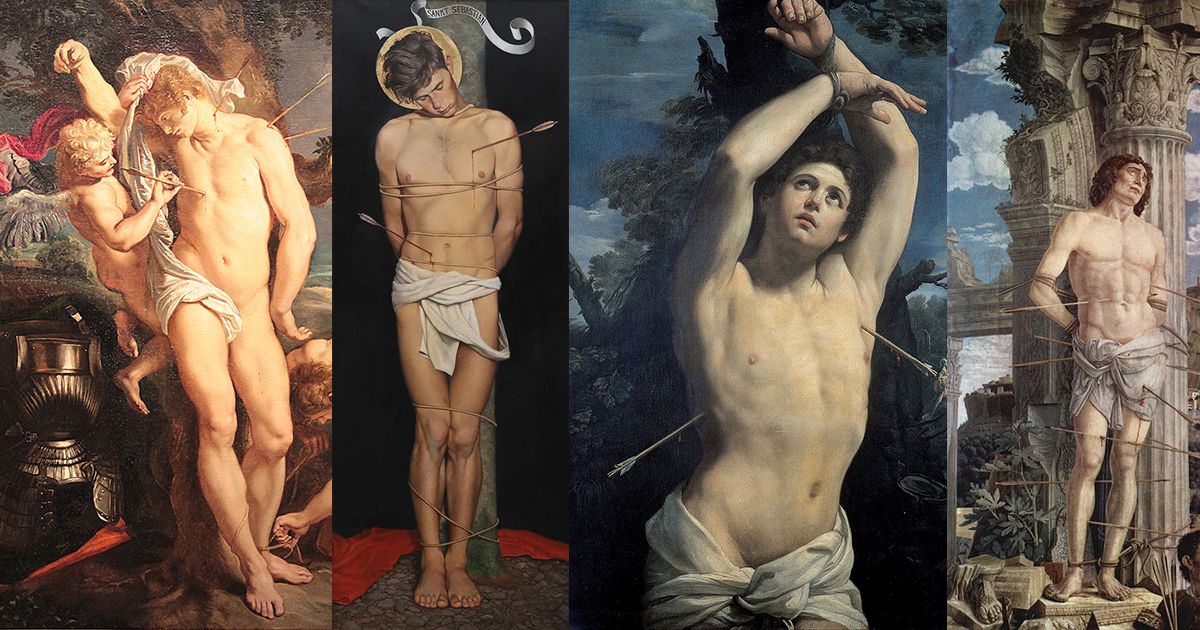
To truly understand the prominence of Saint Sebastian within the visual arts, one must first look past the arrows and into the eyes of a figure that has survived two thousand years of reinvention. He is art history’s most resilient enigma: a Roman centurion who shed his heavy armor to become the lithe, semi-nude youth that now serves as a cornerstone of queer iconography. This evolution from a bearded, clothed officer of the third century to a multifaceted icon of desire and defiance is not merely a change in style, but a profound shift in why we gaze upon his suffering. It is a journey that begins with religious dogma and culminates in a radical contemporary reclamation of identity.
The Architectural Ideal in the Renaissance
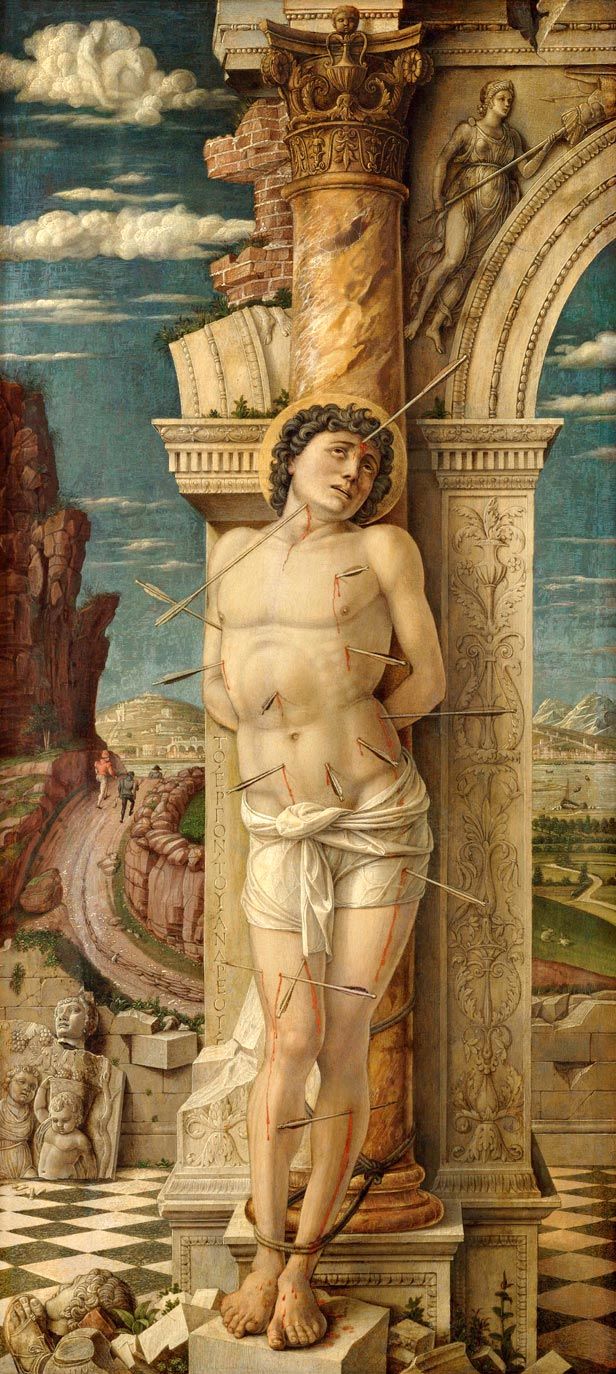
Andrea Mantegna’s depiction serves as a prime example of the Renaissance shift toward idealized beauty. By placing the saint against the ruins of classical antiquity, Mantegna links the martyr to the timeless perfection of Greek sculpture.
The Intimacy of Care and Survival
While the martyrdom itself is the most common motif, the scene of Saint Irene tending to Sebastian’s wounds introduces a narrative of resilience and community care. In Josse Lieferinxe’s work, we see a shift from the solitary sufferer to a moment of radical compassion.
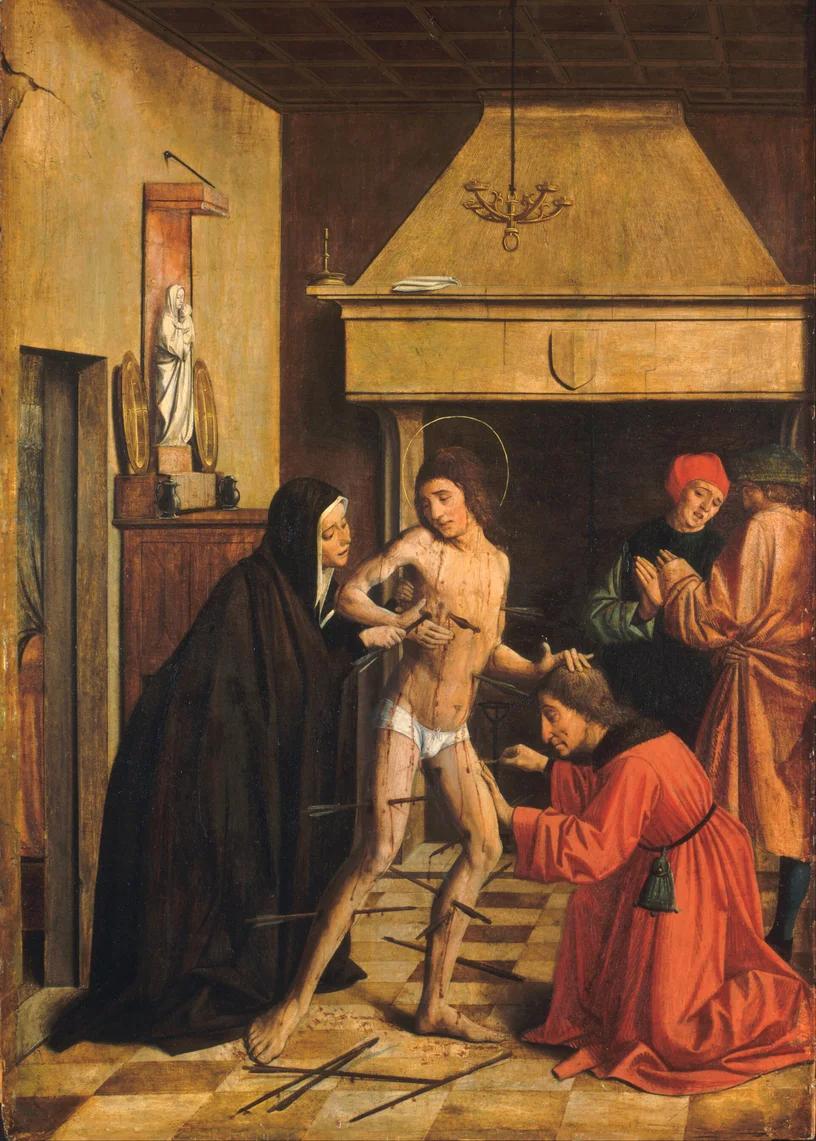
This scene highlights the saint's survival and the role of the caregiver, a theme that regained significant relevance during the AIDS crisis when Sebastian was reclaimed as a protector of the sick.
The Peak of Homoerotic Aestheticism
By the Baroque era, artists like Sodoma pushed the boundaries of religious edification toward sensual pleasure. The saint's expression often blurred the line between spiritual ecstasy and physical desire, a quality that later captivated 19th-century writers like Oscar Wilde.
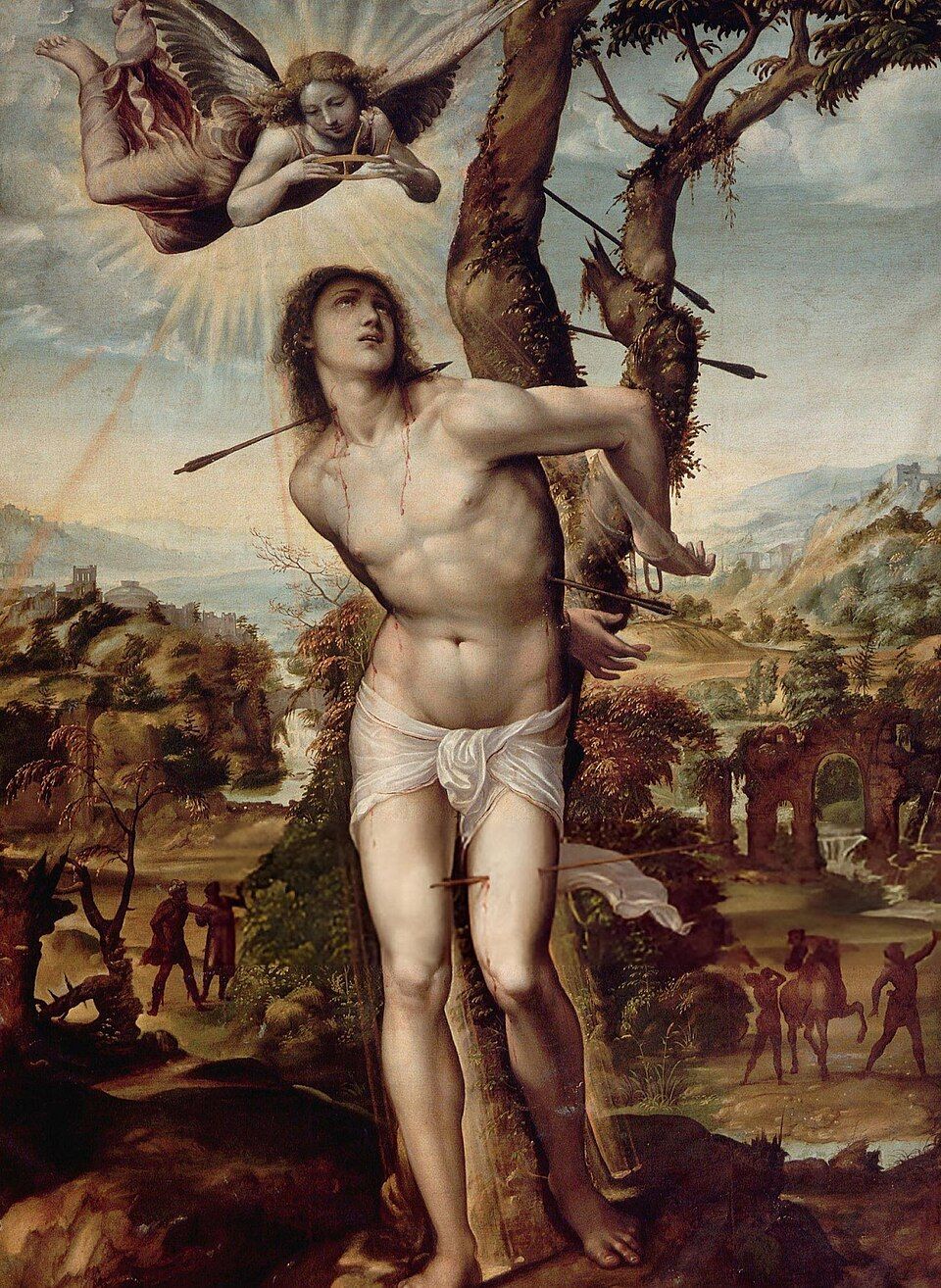
Sodoma’s interpretation is frequently cited as a turning point where the martyr’s "feminine" features and ecstatic gaze solidified his status as an object of homoerotic desire.
Arjan Spannenburg: From Physical Trauma to Psychological Resignation
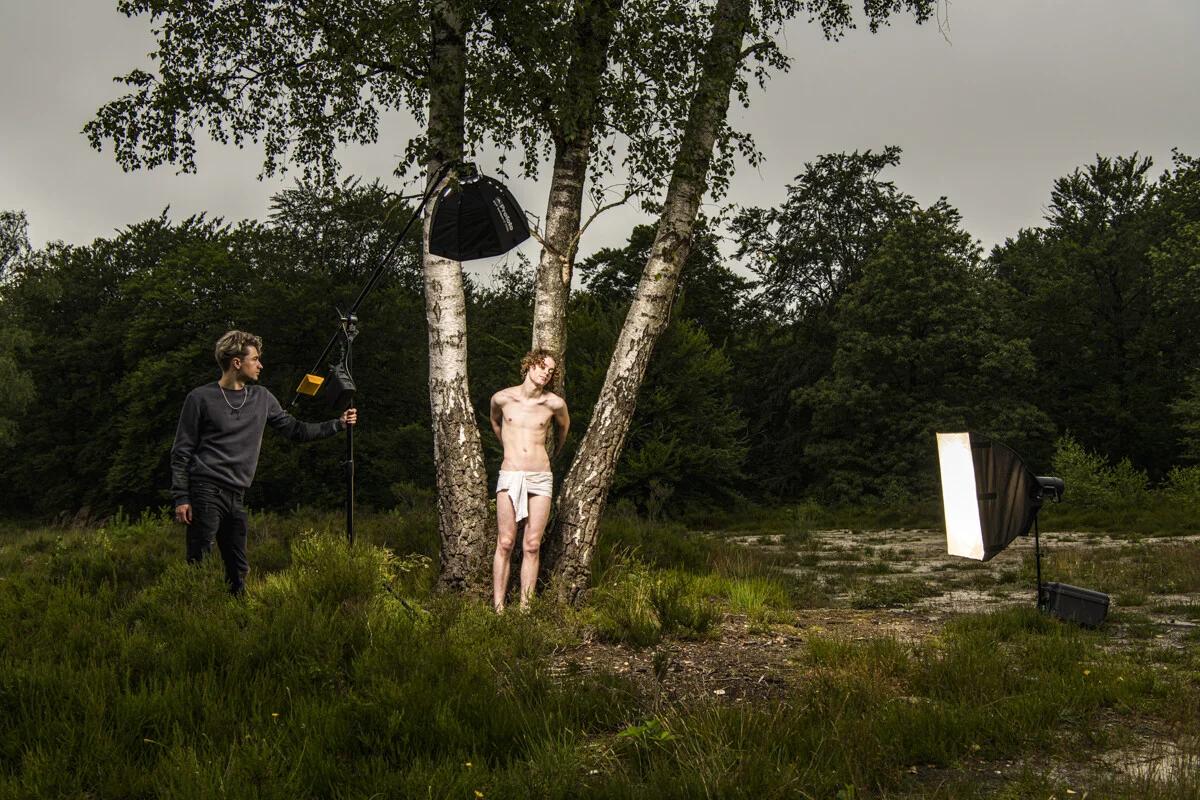
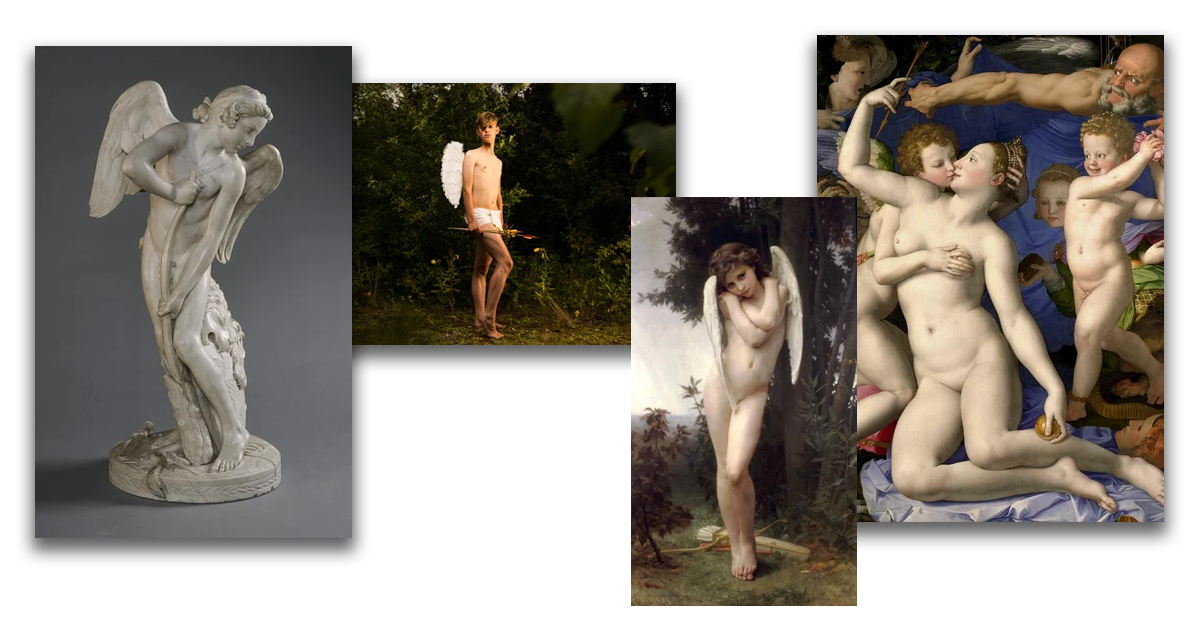
Arjan Spannenburg is drawn to Saint Sebastian not for the religious dogma, but for the profound psychological subtext of the myth. His work, particularly "Saint Sebastian" moves away from the literal depiction of arrows, often used in history as symbols for the "invisible" strike of the plague or the "arrows of desire" from Cupid’s bow.
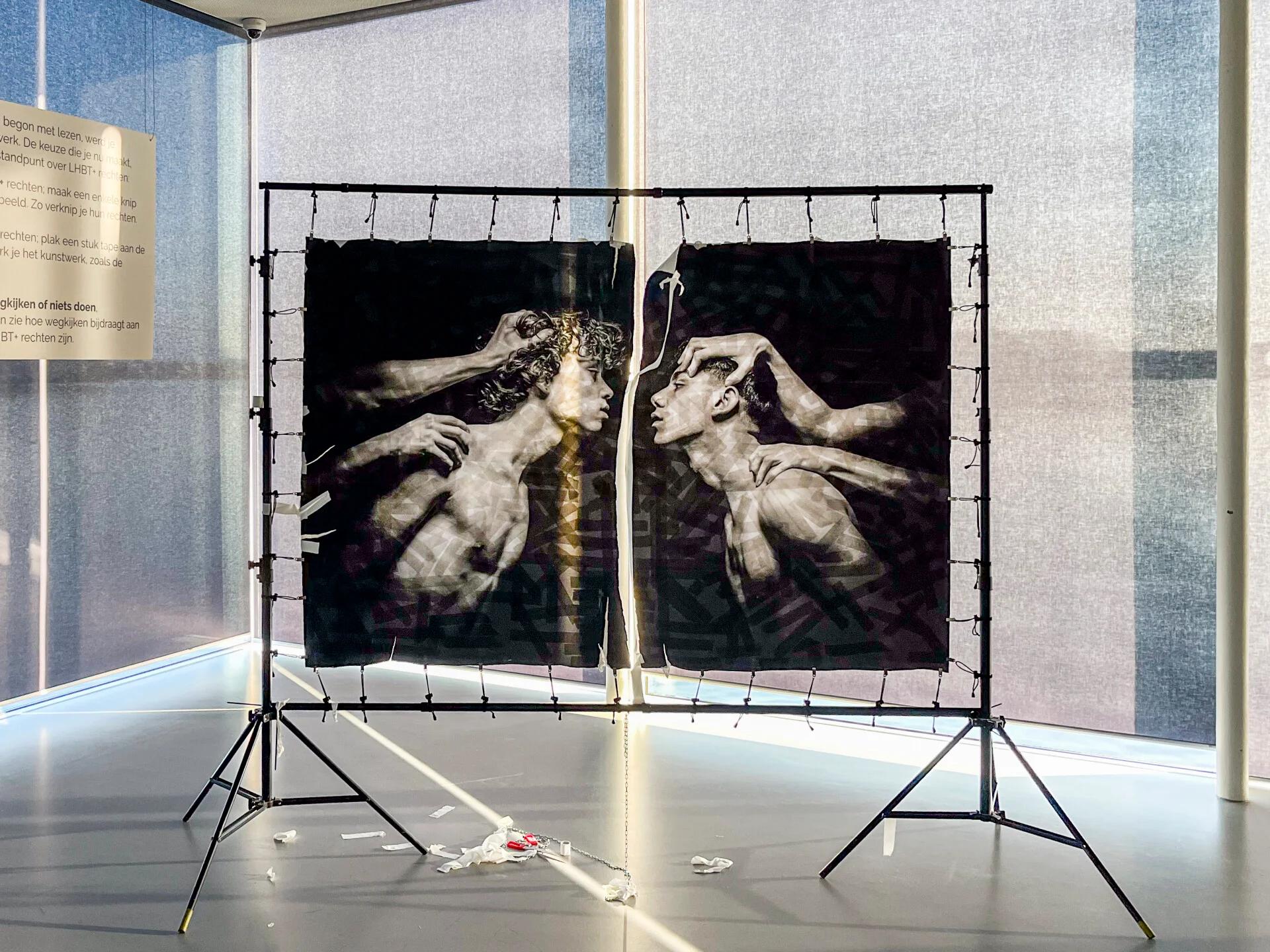
Instead, Spannenburg focuses on the internal state of the modern adolescent. He utilizes the chiaroscuro techniques of Old Masters like Caravaggio to highlight the vulnerability of the skin against a dark, threatening background. For Spannenburg, the "arrows" are the invisible pressures of contemporary identity and the moment of accepting one's true self in the face of external judgment. By removing the physical weapons, he invites the viewer to see the resilience in the model's gaze, echoing the "hidden life" and "coming out" narrative that has long connected the saint to the queer experience.